Elevate your home with Smart Lighting
Make it stand out
Whatever it is, the way you tell your story online can make all the difference.
Your home has a chef's kitchen, spa-like bathrooms, and designer finishes, but you're still walking room-to-room flipping switches like it's 1995. You've invested thousands in the perfect paint colors, artwork, and furnishings, yet harsh overhead lighting at the wrong times washes it all out. Meanwhile, lights left on in empty rooms are quietly draining your wallet; most homeowners waste 30-40% of their lighting energy this way.
Modern homes deserve modern control. With intelligent lighting systems, you can reduce lighting costs by up to 60% while finally showcasing your home's design the way it deserves to be seen. Great design needs great lighting, and that means control far beyond a simple dimmer switch.
At Smarter Homes of Austin, we believe lighting should do more than just illuminate. It should adapt to your lifestyle, enhance your home's ambiance, and save energy while doing so.
Make it stand out
Whatever it is, the way you tell your story online can make all the difference.
What Are Smart Lighting Controls?
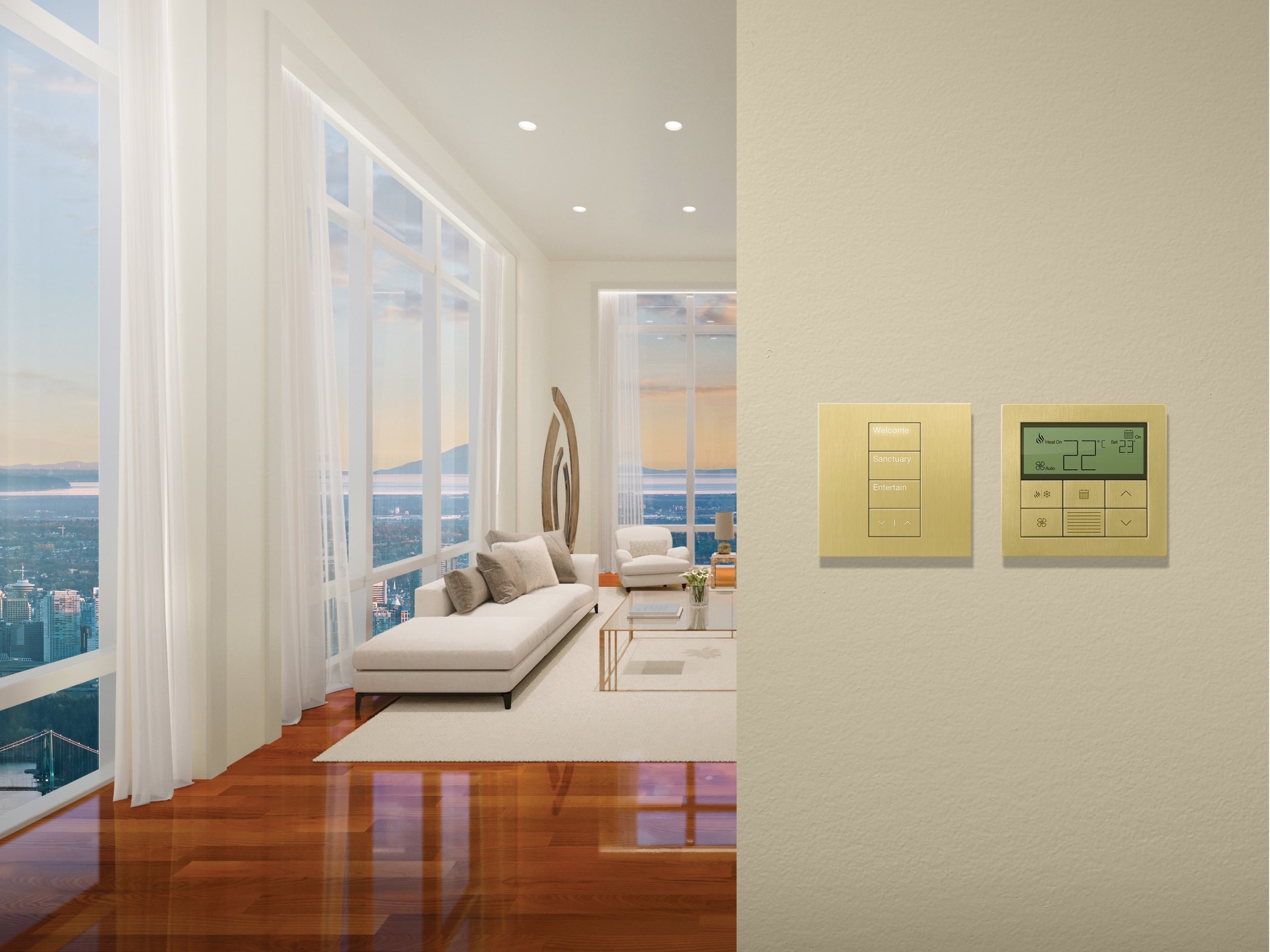
Smart lighting controls are systems that allow you to manage the lighting in your home with ease. This goes beyond the standard on-off switches and dimmers. Today’s advanced systems, like Lutron RadioRA 3, give you full control over every light in your home from anywhere, whether through a dedicated panel, a mobile app, or voice commands.
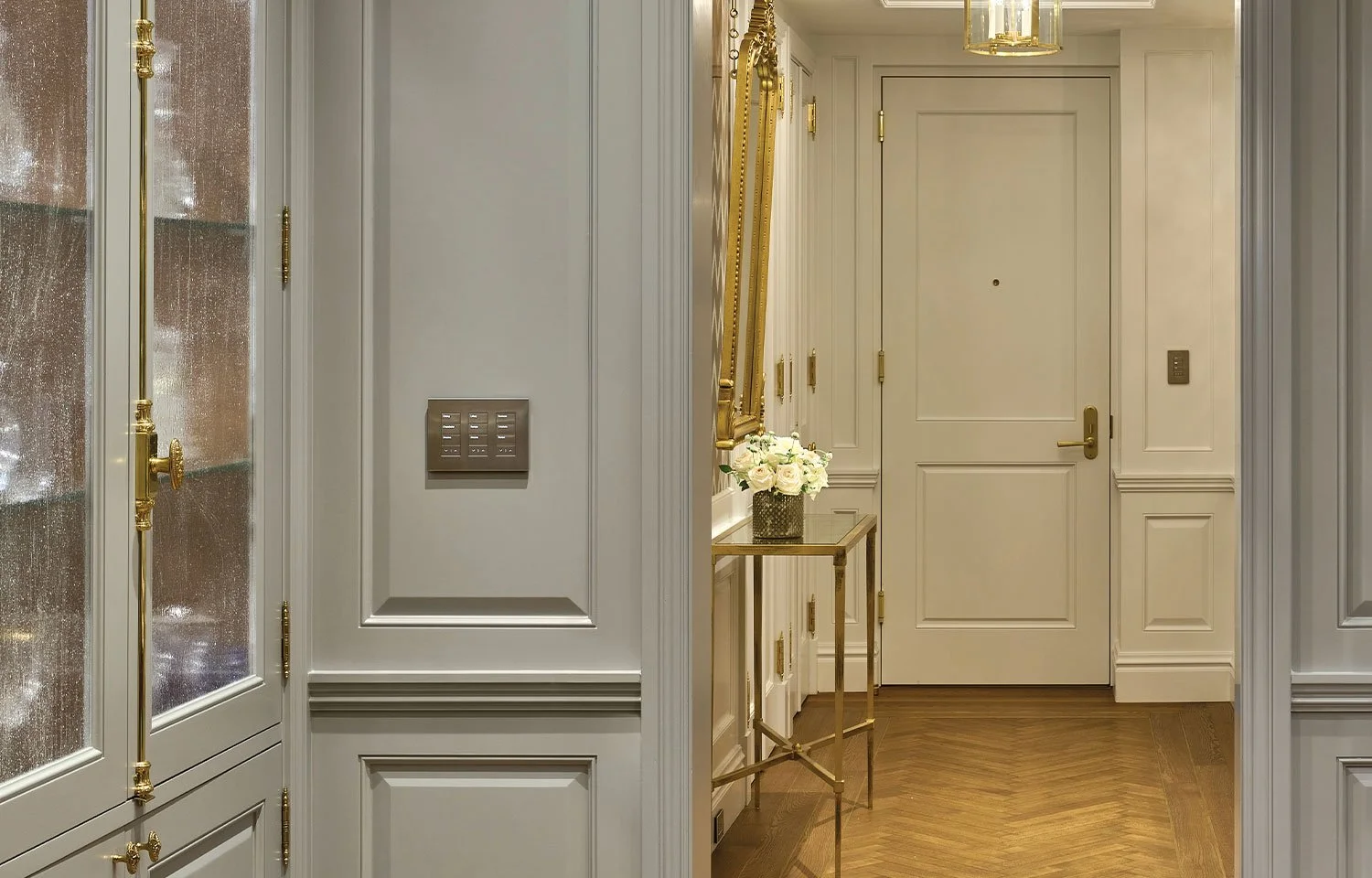
Imagine walking into your home, and the lights adjust automatically based on the time of day or your personal preferences.
With intelligent lighting controls, this is more than possible. Whether you’re hosting a dinner party, watching a movie, or just relaxing, preset lighting scenes ensure the perfect ambiance with a single tap. Smarter Homes of Austin specializes in creating customized lighting solutions for every room, so your lighting always complements your activities.
One of the most practical benefits of smart lighting controls is their ability to help you save energy. By integrating features like motion sensors, daylight harvesting, and dimming capabilities, you can ensure lights are only in use when necessary.
One of the most practical benefits of smart lighting controls is their ability to help you save energy. By integrating features like motion sensors, daylight harvesting, and dimming capabilities, you can ensure lights are only in use when necessary.
Automated schedules can turn lights off when no one’s home, saving energy and reducing your utility bills. With Lutron’s advanced controls, energy efficiency is built into every system, helping you make eco-friendly choices effortlessly.
Real-World Applications
Lighting is an essential element in creating a home’s ambiance, and with the right controls, you can easily adjust the mood. Whether it’s enhancing the architectural beauty of your Austin home or showcasing art and design elements, lighting plays a critical role. With systems like Lutron, you can create layered lighting scenes that bring out the best in every space, from cozy outdoor patios to luxurious bedrooms with automated shades.
Enhanced Security
Lighting controls can also play a role in home security. Smart systems can be set to mimic your presence while you're away, deterring potential intruders by automatically turning lights on and off at various intervals. For those looking to integrate advanced security features, Smarter Homes of Austin can pair lighting controls with other smart home systems, such as security cameras and alarms, for comprehensive protection.
What sets smart lighting controls apart is their ability to integrate with other home automation systems. Whether it’s pairing with motorized shades for ultimate control over natural and artificial light or linking to voice-controlled systems like Alexa or Google Assistant, these controls are designed for seamless operation. At Smarter Homes of Austin, we offer solutions that fully integrate with other smart home devices, providing a cohesive experience that simplifies your life.
Why Choose Smarter Homes of Austin?
No two homes are alike, which is why our team at Smarter Homes of Austin takes a personalized approach to every project. Whether you're renovating your home, building new, or simply upgrading your lighting, we work closely with you to design systems that reflect your needs and preferences. From luxury residential homes overlooking the Hill Country to urban condos, our lighting controls are designed to enhance both form and function.
At Smarter Homes of Austin, we specialize in delivering tailored lighting solutions that enhance both the aesthetic and functionality of your home. As certified Lutron dealers, we offer premium products like RadioRA 3, which provide unmatched flexibility, scalability, and ease of use. More importantly, we ensure that every lighting control system is integrated seamlessly into your daily life whether you’re seeking energy savings, luxury, or enhanced security.
Download PDF Content on Intelligent Lighting Controls
Frequently Asked Questions about Lighting Controls
-
A lighting control system allows you to manage the lighting in your home with ease, going beyond basic on-off switches and dimmers. It creates the ability for all of a home's lighting to be controlled together, enabling actions like turning on six dimmers to ideal brightness with a single button press for a specific task. These systems, such as Lutron RadioRA 3, provide full control over every light in your home from various interfaces, including dedicated panels, mobile apps, or voice commands. HomeWorks is also described as a full-featured whole-home lighting control system suitable for both new and existing homes.
-
Lighting control systems offer numerous benefits, including:
• Convenience and Flexibility: Replace large banks of switches with one elegant keypad. A single button press can adjust multiple lights to preset scenes for various activities like reading a book, watching a movie, or cleaning. Automated lighting changes occur on their own. Features like keypad backlighting, portable tabletop keypads, and car visor controls enhance ease of use.
• Energy Efficiency and Savings: Unnecessary lights can be turned off or dimmed automatically by occupancy sensors, photosensors, or timeclock capabilities, leading to energy savings and reduced utility bills. Automated controls can reduce lighting energy consumption by up to 50% in existing buildings and at least 35% in new construction. They also contribute to demand reduction, saving costs and potentially earning utility incentives.
• Enhanced Security and Safety: Systems can enhance home security by turning interior lights to full brightness and flashing exterior lights during an alarm to help authorities identify the troubled home. Built-in time-clock capabilities can simulate occupancy while you are away, deterring intruders. In emergencies, exterior lights can flash, and interior lights can dimly light an exit path for safe evacuation.
• Aesthetic Enhancements: Lighting controls provide precise control over each light's brightness, allowing for finely-tuned lighting scenes that maximize the beauty of your home and furnishings. They enable the creation of dramatic effects, highlights, and contrasts indoors and improve curbside appeal outdoors.
• Productivity and Morale: Optimal lighting conditions, easily achieved with controls, can increase worker productivity by reducing visual fatigue and VDT screen glare. The ability for individuals to control their own light levels can also improve employee morale.
• Total Light Control: Systems like HomeWorks can control both electric and natural light by integrating with shades and draperies to manage sunlight entering the home, protecting furnishings from UV light and brightening spaces.
• Expanded Space Flexibility: Controls allow a single space to support multiple functions with different lighting needs, accommodating rearranged layouts or new tasks without extensive re-wiring.
• Environmental Enhancement: Reducing electricity consumption through efficient lighting controls prevents air pollution caused by electricity generation, contributing to a more secure environment.
-
DescripLighting control systems save energy by ensuring that lights are only used when and how they are needed. This is achieved through:
• Automatic Shut-off: Occupancy sensors turn lights off automatically in unoccupied areas.
• Dimming: Photosensors can dim lights when sufficient daylight is available (daylight harvesting) or when a room is vacant. Dimming also compensates for lamp lumen depreciation, maintaining desired light levels without over-lighting.
• Scheduling: Time-clock capabilities automatically turn lights on or off at predetermined times or relative to sunrise/sunset.
• Task Tuning: Adjusting light output to the specific level required for a task prevents over-illumination.
• Demand Control: Strategically dimming or turning off non-critical lights during peak demand periods can reduce utility charges.
-
Lighting controls perform several distinct functions:
• On/Off: The most basic function, akin to a standard wall switch, to activate or deactivate lighting.
• Occupancy Recognition: Automatically turns lights on when people are detected and off after a period of no detection, commonly using ultrasonic or passive infrared technologies.
• Scheduling: Controls lighting activation, deactivation, or adjustment based on a predetermined time schedule. Local overrides are often provided for "off-normal" conditions.
• Task Tuning: Adjusts the light output of luminaires to the specific level needed for a task or for aesthetic purposes, typically through dimming.
• Daylight Harvesting: Utilizes photocells to measure ambient light levels and adjusts electric lighting output to maintain a constant illuminance when natural light is available.
• Lumen Depreciation Compensation: Addresses the natural decrease in light output over time (lamp lumen depreciation) by sensing ambient light and gradually increasing light output to maintain desired levels.
• Demand Control: Identifies and sheds secondary lighting loads during peak electricity consumption periods to reduce demand charges from utilities.
-
A lighting control system typically consists of three communicating components working together to accomplish tasks:
• Input Device: This device triggers a system event, such as turning lights on. Inputs can be user-controlled (e.g., a button press from a keypad or car visor control) or automatic (e.g., a timeclock event, commands from another system via RS-232 or Ethernet, or a sensor). Examples include keypads and various sensors.
• Processor: This is the "brain" of the system, listening to input devices, processing their signals, and then instructing the output devices on what to do. It can be programmed to respond differently based on factors like time of day or the state of other sensors. Examples include 4 Series P5 processors, RF processors, and wired processors.
• Output Device: This device produces the desired effect, such as turning on a light, dimming it, or opening a shade. Output devices can also interface with other systems to perform tasks, like controlling home theater equipment or a spa. Examples include dimmers (e.g., Maestro dimmer), Sivoia QED shades, and fan-speed controls.
-
HomeWorks offers three basic system designs, adapted based on construction type and customer needs:
• Localized System Design: This traditional approach places individual switches or dimmers for each zone of light throughout the home, making it easy for guests to understand. Keypads are added in central areas for simplified control of multiple lights. Local controls provide "fail-safe" operation. This design is ideal for retrofit or pre-wired homes using standard electrical wiring.
• Centralized System Design: This design uses wall-mounted keypads in each room instead of traditional dimmers/switches. All dimming occurs through remote power panels installed out of sight (e.g., in a utility closet). This minimizes wall clutter and provides maximum programming flexibility. It requires all lighting electrical wiring to be routed through these remote panels.
• Optimized System Design: This combines localized and centralized approaches. Local dimmers are used in less frequently controlled areas (e.g., guest bedrooms), while keypads replace dimmers in high-profile rooms (e.g., foyers, kitchens) where multiple lights are controlled via remote power panels. This design reduces wall clutter in main areas and allows for future system expansion.
Visit Our Westlake Lighting Showroom!
Illuminate Your Luxury Home with Smarter Homes of Austin. Contact us today to learn more about how a lighting designer can elevate your project.
Smarter Homes of Austin remains neutral and will continue only to provide/recommend what is best for our client's needs and (viewers reading blogs) within budget. With no endorsements from any company at this time, Pete's time and skills lead to certain brand preferences depending on budget and need.
