Sunnata Keypads in Austin
Wireless keypads powered from a regular line-voltage box, so you can add scene control to finished walls without keypad wire.
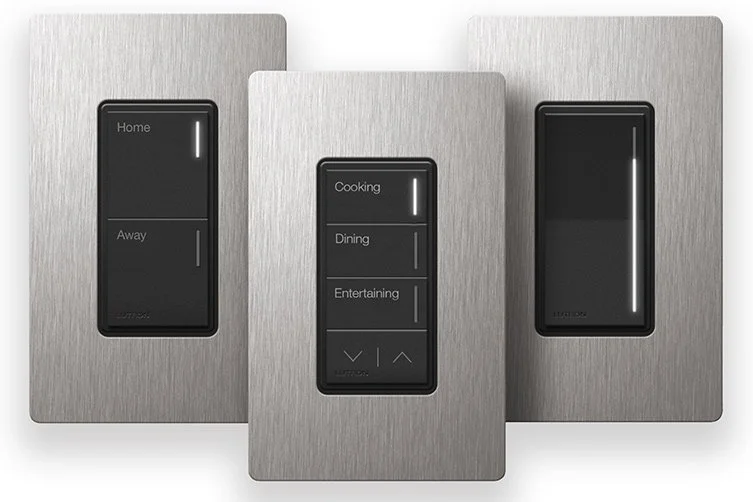
Sunnata is wireless, on line-voltage power
Sunnata keypads talk by radio, Clear Connect Type X, so there is no keypad control wire. They are powered like a traditional switch: Lutron requires a 120 to 277V hot and neutral connection at a standard wallbox, 2 1/4 inch deep minimum (Lutron). That is why we use Sunnata in retrofits and finished walls. It is not battery powered. For a keypad on low-voltage wire, see Alisse and Palladiom.
| Keypad | How it talks | How it is powered | Where it fits |
|---|---|---|---|
| Palladiom keypad | Wired QS link | Low-voltage wire, 24 to 36V from the QS link | HomeWorks QSX, new construction or open walls |
| Alisse keypad | Wired QS link | Low-voltage wire, 24 to 36V from the QS link | HomeWorks QSX, premium solid brass faceplates |
| Sunnata keypad | Wireless, Clear Connect Type X | Line voltage, 120 to 277V hot and neutral at a standard wallbox | Retrofits and finished walls, no keypad wire runs |
| seeTouch keypad | Wired or wireless, per Lutron | Depends on the model | Older systems, a prompt to review the path to QSX |
| Pico remote | Wireless, Clear Connect Type A | Battery, no wire at all | Anywhere: handheld, wall, or tabletop |
The keypad we reach for in finished homes
Because Sunnata needs only line-voltage power, it can replace an existing switch location without pulling low-voltage keypad wire. An LED light bar shows the active scene and the keypads match Sunnata dimmers. Sunnata dimmers with PRO LED+ also need a neutral wire and are installed on the load side of the circuit, so we check every box during design. Lutron says each keypad should have at least two other non-battery Clear Connect Type X devices within 25 ft.
Systems: HomeWorks and RadioRA 3. Related: whole-home lighting control.
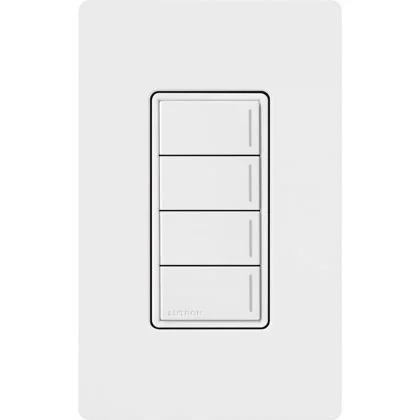
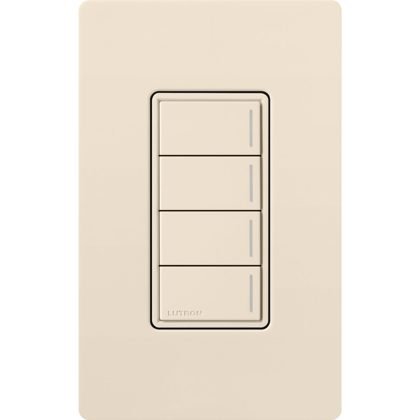
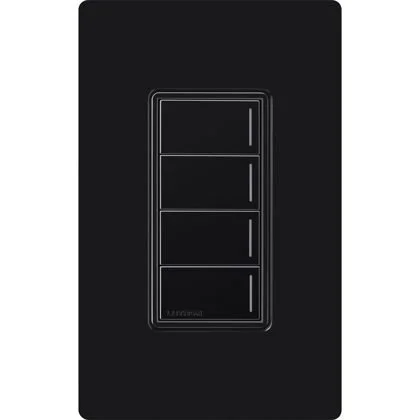
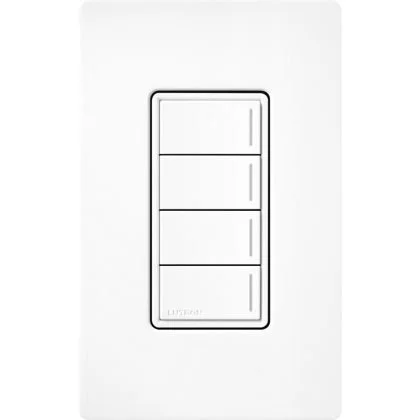
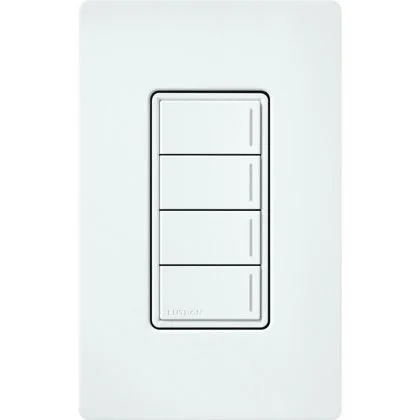
24 Sunnata colors: 4 gloss and 20 satin
Every color below is a Lutron product photo of a Sunnata keypad, with the model color code. Lutron lists gloss and satin only for Sunnata. There are no metal or glass Sunnata faceplates. Screen colors vary, so we show the real chips in the showroom (book a visit). Lutron also sells color-chip keychains for the gloss (DG-CK-1) and satin (SF-CK-1) lines.
Gloss (4)
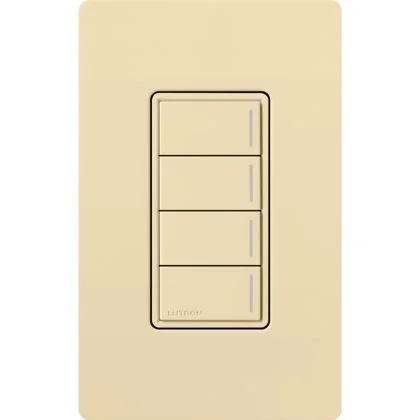
Satin (20)
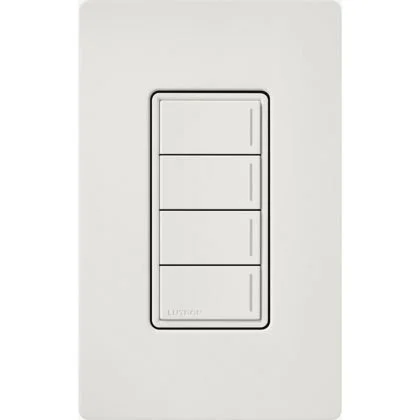
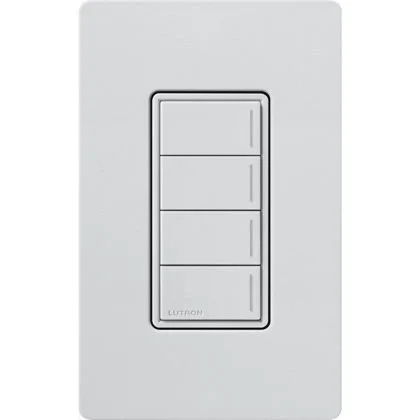
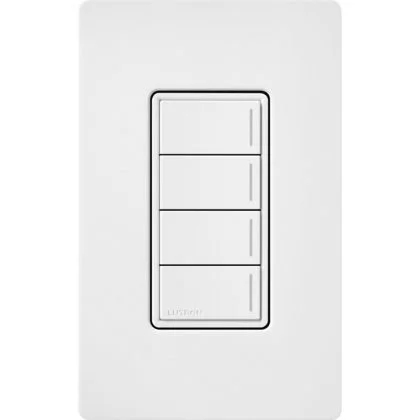
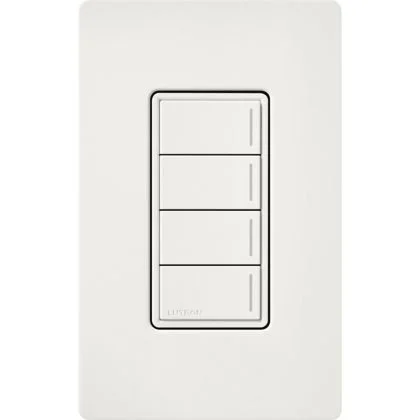
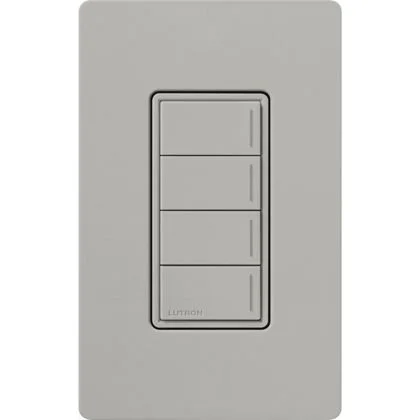
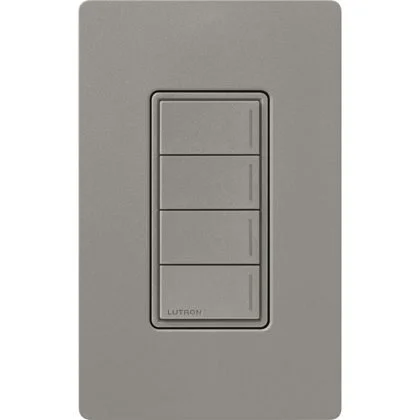
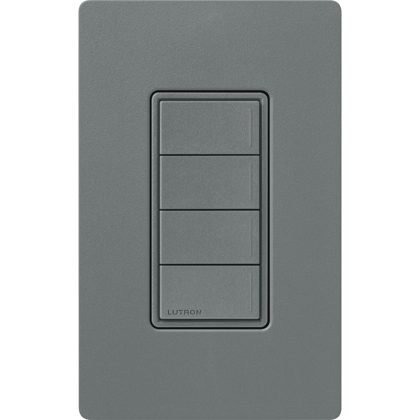
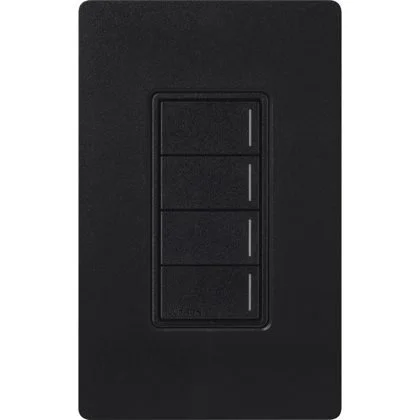
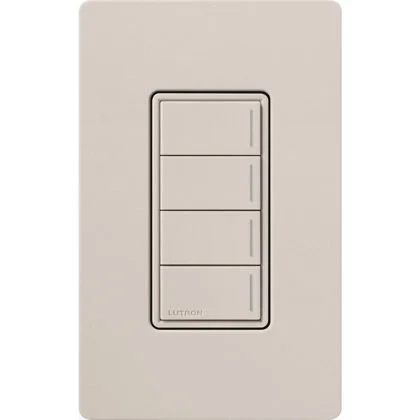
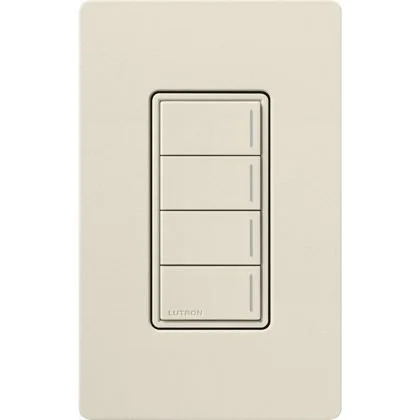
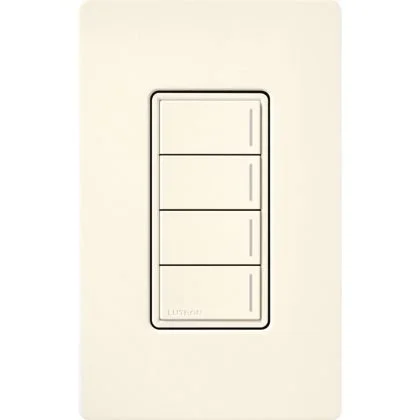
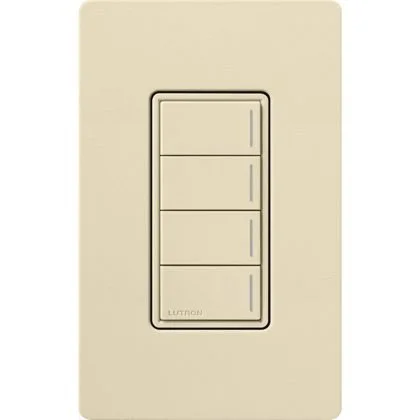
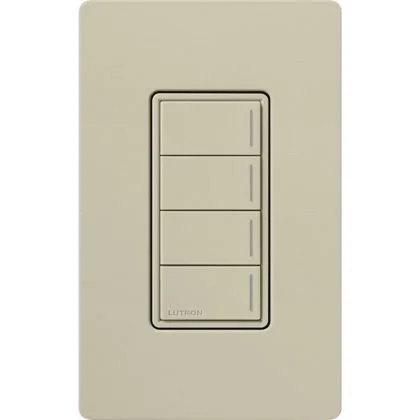
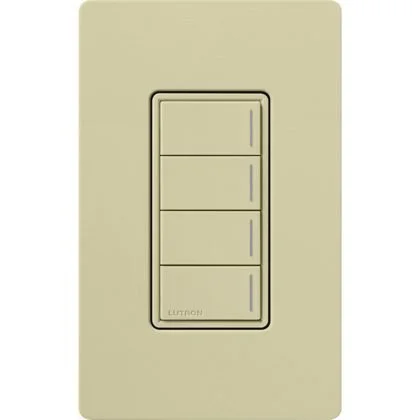
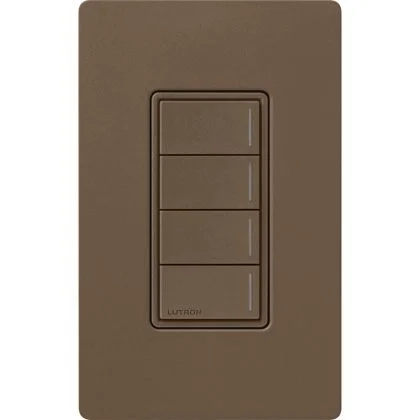
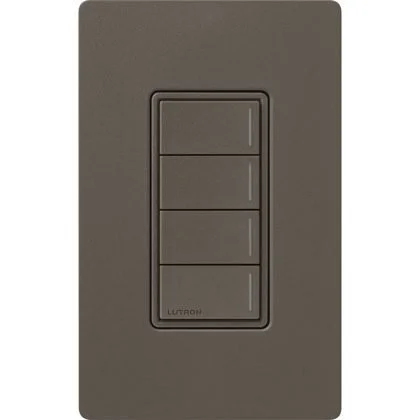
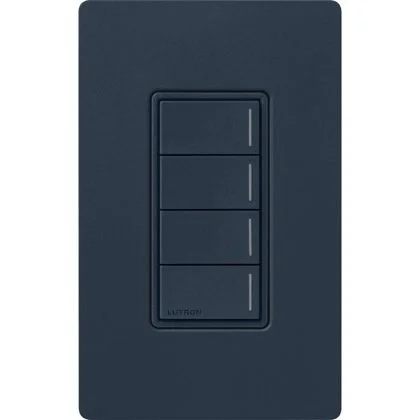
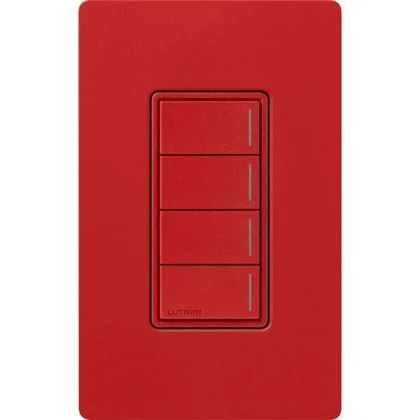
Photos: Lutron Electronics Co., Inc. Colors are marked "also" where Lutron lists the same name in another line: the Claro and Satin Colors wallplates (gloss White, Ivory, Light Almond, Black; satin Snow, Midnight, Taupe, Biscuit), the GRAFIK Eye QS satin colors (Snow, Midnight, Taupe, Biscuit), Palladiom (Taupe), and Alisse (Brilliant White, Architectural White). Check the chip in person before matching across lines. The rest of the Sunnata palette is unique to Sunnata. See the full keypad finish matrix.
Plan your Sunnata keypad: layout, finish, and engraving
- Choose how many buttons the keypad has.
- Pick a finish. The photo shows the Lutron image of that finish.
- Type up to two lines of text per button. Text that is too wide for the button is trimmed, as it is on Lutron's own form.
- Press Save to keep it in this browser, Copy link to share it, or Email us to send it to our team.
The layout, button sizes, text area, and two-line limit are taken from Lutron's own Sunnata engraving form, which offers 11 pt and 14 pt Helvetica. The preview is still an approximation: finish colors are close but not exact, and we leave out Lutron's icon library. Lutron sets the final engraving rules, so we check every layout against Lutron's form before it is ordered.
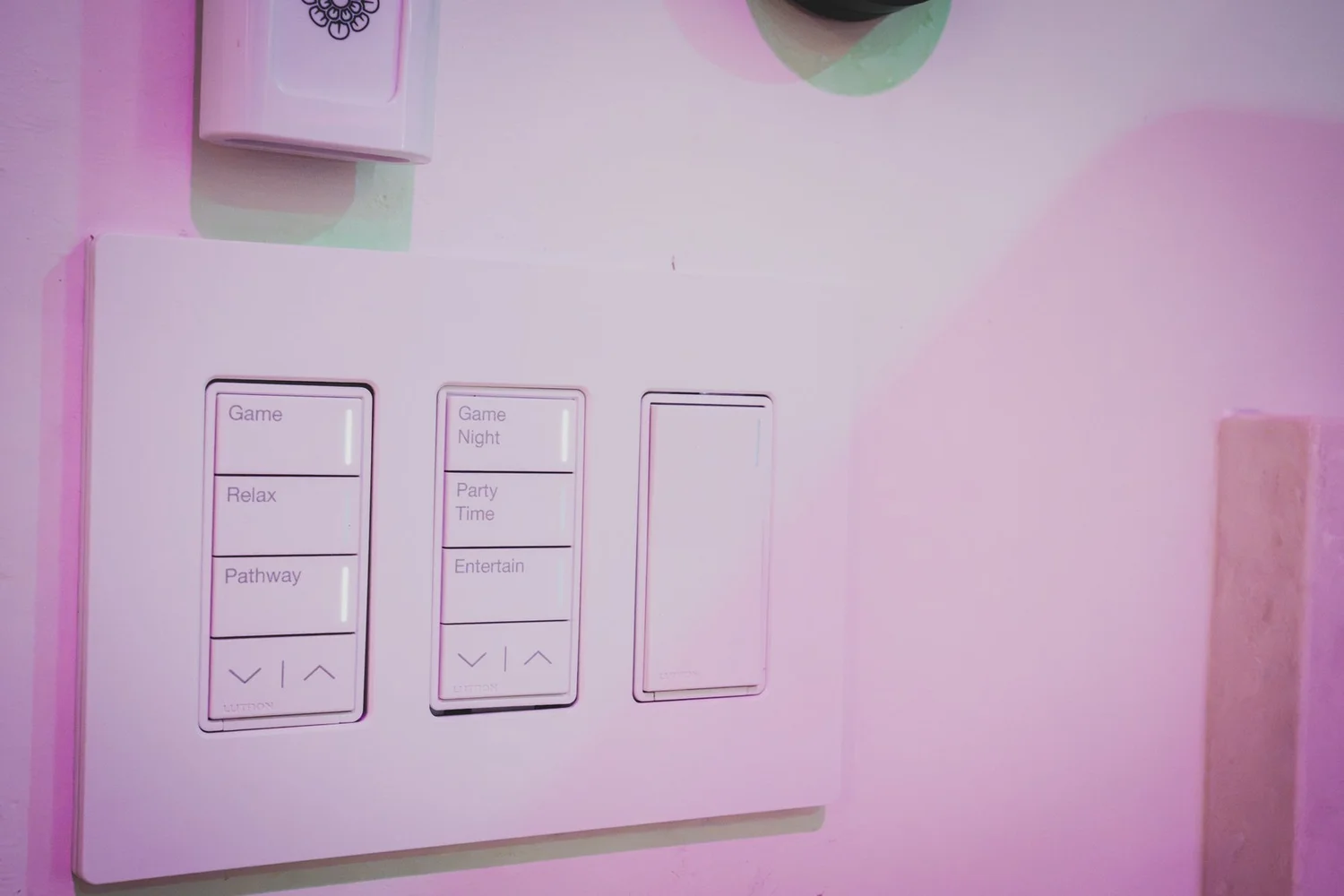
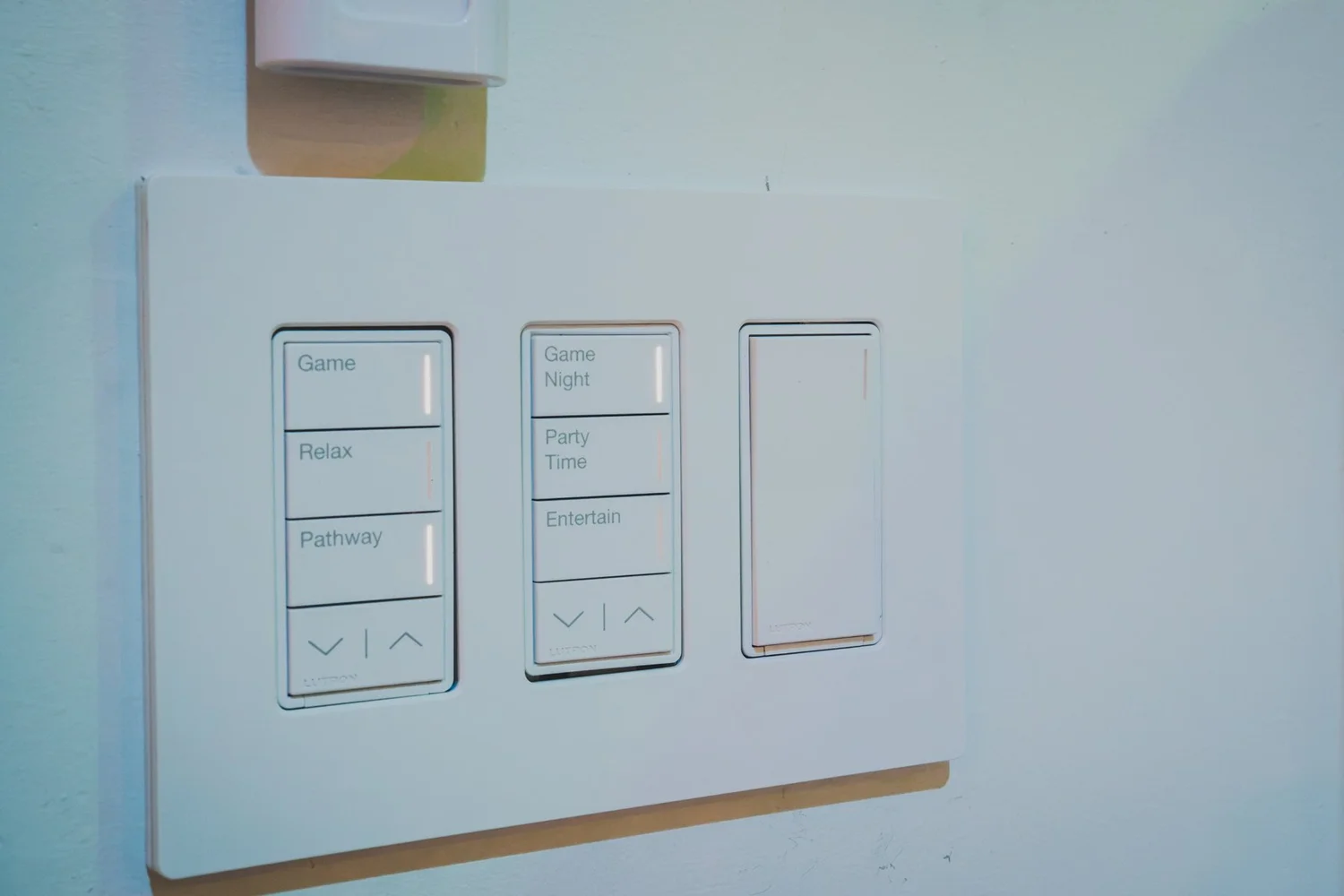
Sunnata keypads and dimmers up close
Seeing them in a lit room is the easiest way to compare finishes. Book a visit.
Sunnata FAQ
Is Sunnata wired or wireless?
Both, in different ways. It communicates wirelessly over Clear Connect Type X and is powered by 120 to 277V hot and neutral wiring. There is no low-voltage keypad wire.
Does Sunnata need a neutral wire?
Yes. Lutron requires a hot and neutral connection for Sunnata keypads, and the PRO LED+ dimmers also need a neutral.
Is Sunnata battery powered?
No. Lutron's page does not list battery power for the keypad.
Why is Sunnata good for retrofits?
It reuses a regular line-voltage wallbox, so no QS keypad wire needs to be pulled through finished walls.
What is the difference between Sunnata and Alisse or Palladiom?
Sunnata is wireless and line-voltage powered. Alisse and Palladiom are low-voltage wired. See the table above.
Do Sunnata devices create a mesh?
Clear Connect Type X is a mesh, so devices relay each other. It needs proper design so every device has enough neighbors.
Can I see Sunnata in person?
Yes, by appointment in our West Lake Hills showroom. Book a visit or call 512-775-6101.
Planning keypads for your home?
Smarter Homes Lutron Showroom5524 Bee Caves Rd, Unit J8
West Lake Hills, TX 78746
512-775-6101
Showroom visits are by appointment. Bring your plans and we will map products, wiring, and scenes to your floor plan.
Lutron Sunnata Dimmer on a sage green wall with dynamic light bar and swipe functionality.
Beyond the Click: The Evolution of Touch in Luxury Home Control
For decades, the experience of controlling light was mechanical.
A click.
A toggle.
A simple, physical interaction that defined how we engaged with our homes.
But as architecture evolves into something more responsive, more human-centered, that interaction is being redefined. The shift toward systems like Lutron Sunnata is not just aesthetic. It represents a fundamental change in how homes think, communicate, and respond.
The Illusion of Simplicity
At first glance, Sunnata appears minimal.
A clean face.
A soft glow.
A simple touch interface.
But behind that simplicity is a complex architectural shift. As outlined, this is not a cosmetic upgrade from legacy systems; it is a complete rethinking of control philosophy. The traditional switch was a standalone device. Sunnata is something else entirely. It is a node in a living system.
Sunnata Dimmers
Perfect lighting is just a touch or swipe away. The Sunnata dimmer’s dynamic light bar signals readiness with quick or slow flashes, offering real-time feedback as you interact with it.
Beyond aesthetics, the Sunnata dimmer is engineered for precision. High-End Trim and Low-End Trim features give you full control over your lighting’s intensity, while the Light Level Indicator lets you instantly gauge your setting at a glance.

This shift is also supported by new wireless technology. As noted, Sunnata operates on Lutron’s Clear Connect Type X network, a mesh-based system in which devices communicate with one another rather than relying on a single signal source. This enables faster response times, greater reliability, and more advanced control, but it also requires proper system design to ensure everything works seamlessly. Another key difference is how these devices function. Traditional switches were passive; they controlled power to a light. Sunnata devices are active. They include touch-sensitive controls, LED light bars for visual feedback, and built-in communication with the rest of the system. This means every switch in the home delivers a consistent, synchronized experience.
You may also notice fewer buttons compared to older keypads. This is intentional. Instead of assigning a single button to each function, modern systems use scenes and smart programming. A single button can adjust the lighting based on the time of day or activity, creating a more intuitive, streamlined experience without cluttering the wall. Installation is also more precise. Sunnata dimmers require a neutral wire and must be installed on the load side of the circuit. While this adds a layer of planning, it ensures the system performs exactly as intended once installed.
Once everything is integrated into a system like Lutron HomeWorks QSX, control becomes centralized. While local adjustments are possible, the system ultimately manages how lighting behaves across the home. This allows for a consistent and coordinated environment rather than isolated controls in each room. The result is a home that feels more responsive and less mechanical. Instead of pressing buttons and making constant adjustments, the environment adapts to you. Lighting becomes part of the overall experience, quiet, seamless, and aligned with how you live.
This is the new standard of luxury: not more controls, but better ones.
DON’T WANT TO READ? WE’VE GOT A VIDEO FOR YOU!

