Eliminating Visual Friction: How Architectural Lighting Transforms Luxury Interiors
Most people have experienced it. You walk into a beautifully designed, high-end kitchen only to be met with a harsh glare bouncing off a polished stone countertop. Under-cabinet shadows feel heavy and uneven. Bathroom mirrors cast flat, unflattering light. Despite the investment in premium materials, something feels… off. That “something” is lighting.
When Light Becomes a Problem Instead of a Solution
Light is not just a utility it is a foundational architectural material. It should be planned and sculpted with the same intention as the floor plan itself.
When lighting is treated as an afterthought, it creates physical and visual friction:
Glare from reflective surfaces
Harsh shadows in functional areas
Washed-out finishes and muted textures
Inconsistent visual comfort throughout the day
As natural light shifts, static interior lighting fails to adapt. The result is a space that subtly feels rigid and uncomfortable, even if every other design element is high-end.
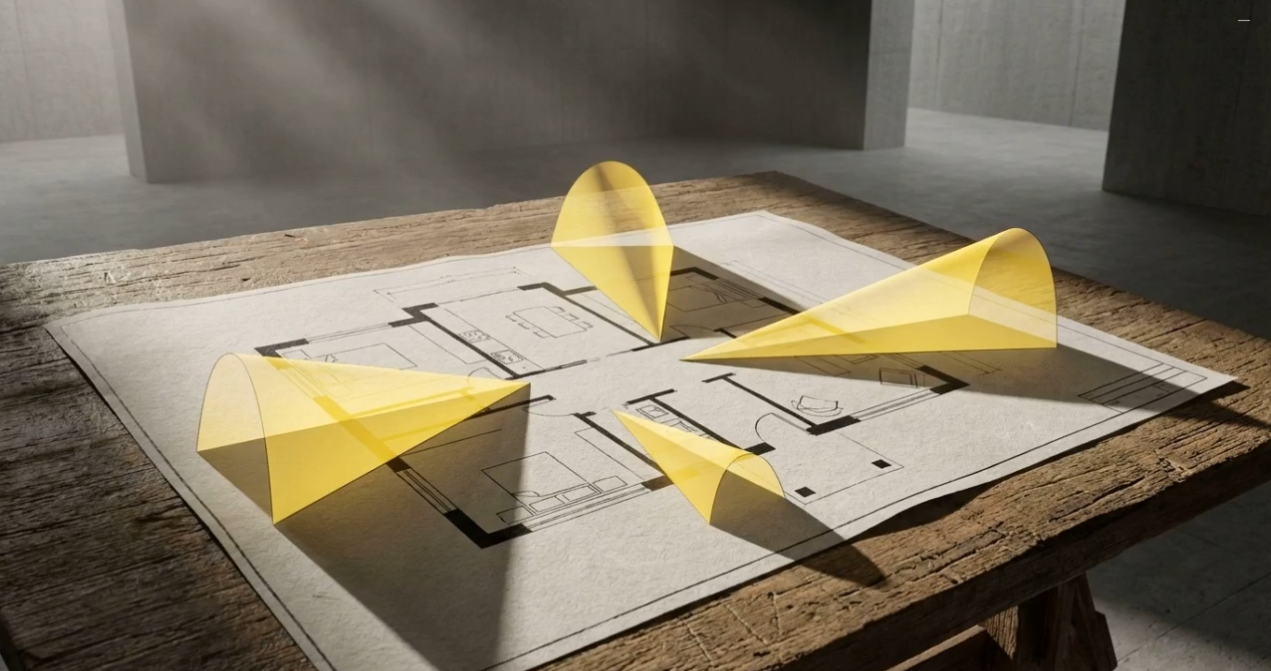
A detailed architectural floor plan laid out on a wooden table, overlaid with visual representations of light beams to illustrate planned lighting placement and direction. The image highlights how lighting is strategically designed to enhance spatial flow, focal points, and functionality within a luxury home. This type of planning is essential for advanced systems like Lutron Ketra, where precise control of light intensity, color, and direction is integrated into the architecture by professionals such as Smarter Homes.
The Hidden Issue: Poor Color Rendering
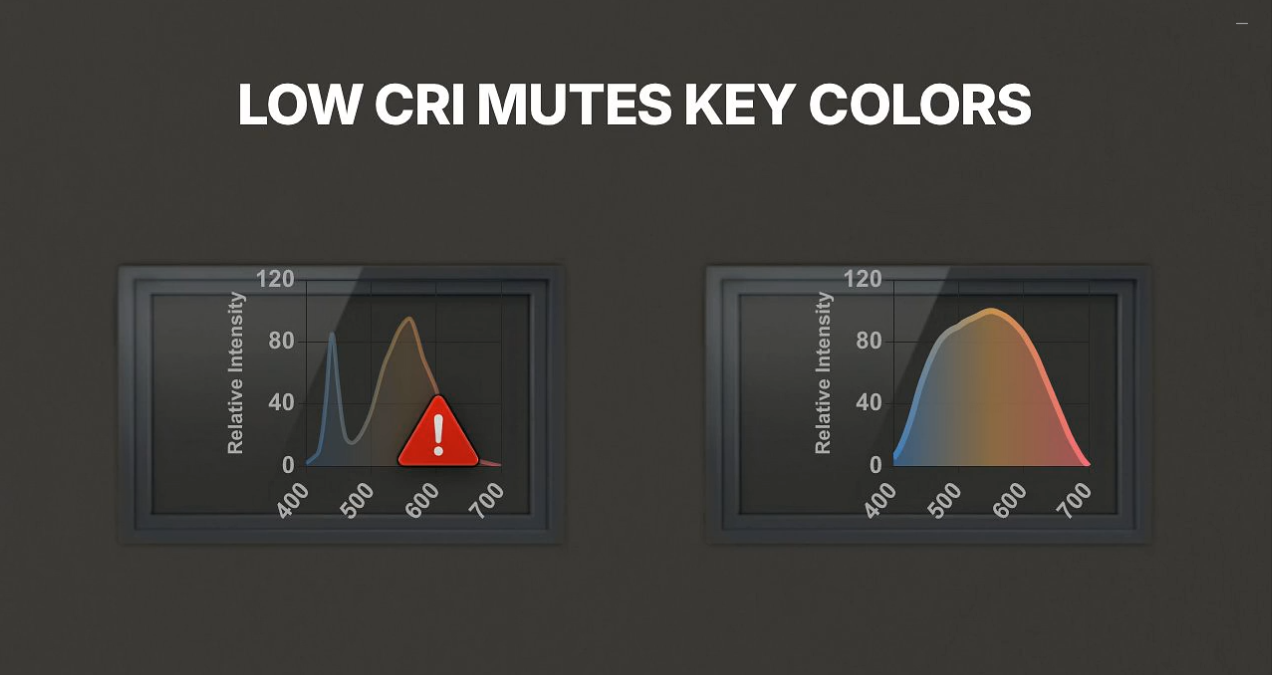
One of the most common technical shortcomings in traditional lighting is low Color Rendering Index (CRI). CRI measures how accurately a light source reveals the true colors of objects compared to natural sunlight. When CRI is low:
Reds appear dull or brown
Blues lose depth
Wood tones flatten
Artwork looks lifeless
This happens because the light source fails to hit the full spectrum of wavelengths needed to properly illuminate materials.
Even with dimming or switching, traditional lighting cannot correct this.
Low-quality light doesn’t just illuminate a space it actively degrades the appearance of everything inside it.
Precision Lighting as an Architectural Tool
Solving these issues requires a fundamental shift in approach. Lighting must be treated as a precise, engineered system designed to eliminate friction and enhance the built environment.
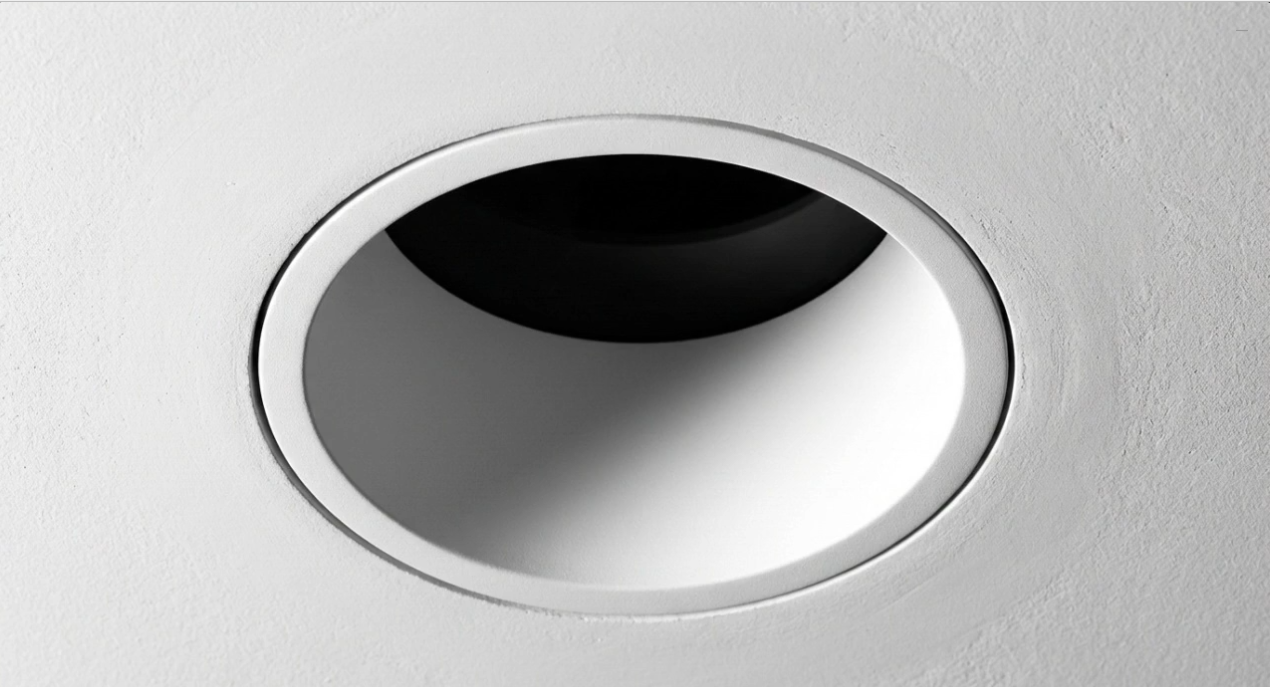
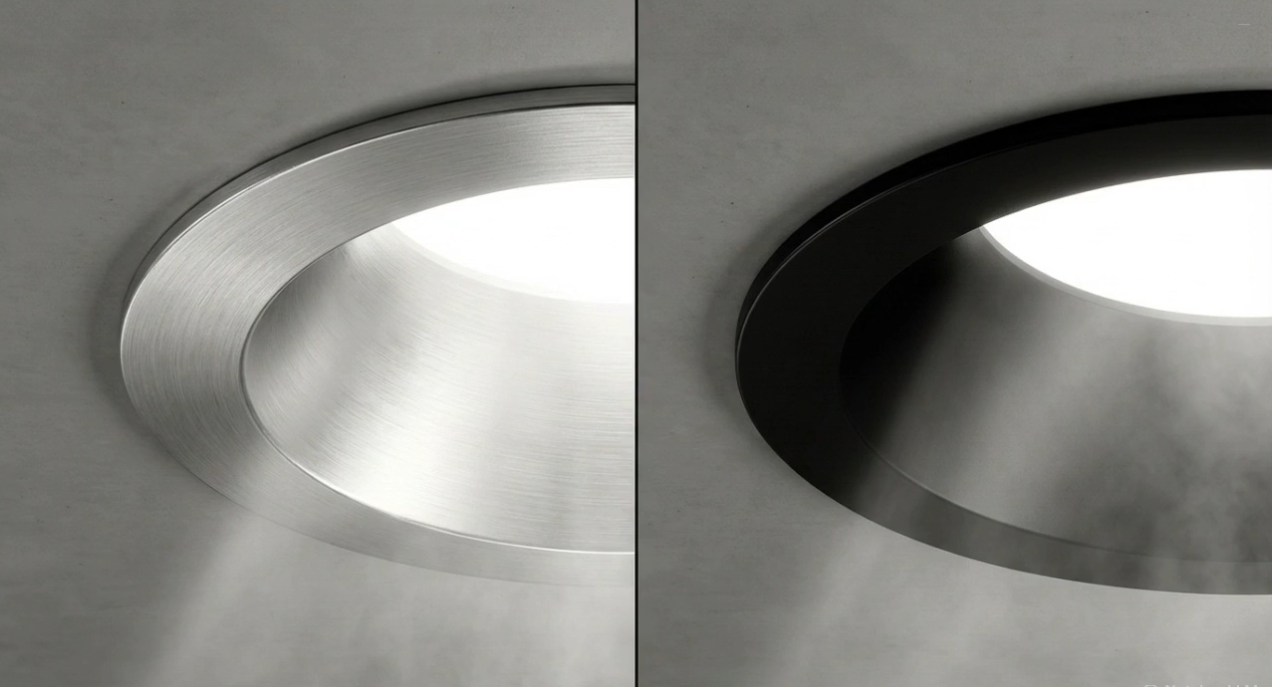
Fixtures like Finiré by WAC Lighting demonstrate how modern lighting integrates seamlessly into architecture. With a flush-to-ceiling design, these downlights become nearly invisible, allowing the focus to remain on the space itself, not the hardware. The real transformation comes from how the light is controlled.
Targeted Illumination
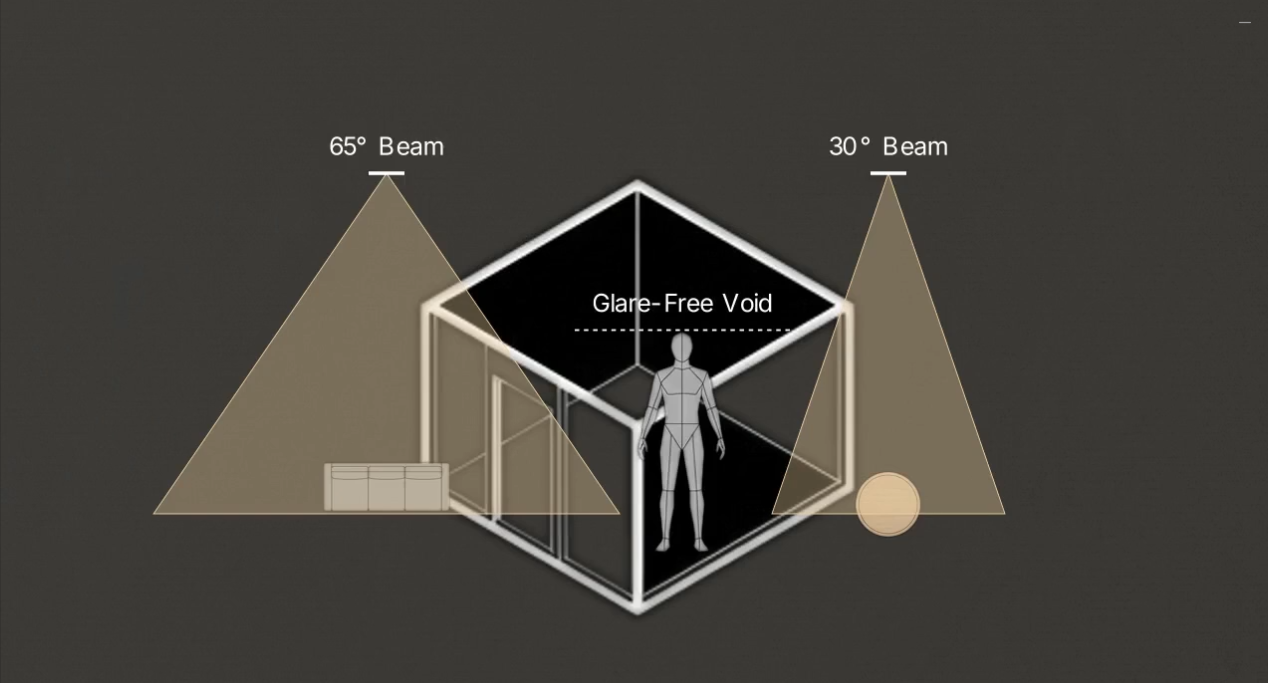
Using carefully engineered 30° and 65° beam angles, light is directed exactly where it is needed:
Onto countertops without glare
Across walls without harsh contrast
Away from direct eye lines for comfort
Specialized configurations like wall wash lighting distribute light evenly across vertical surfaces, eliminating shadows and revealing the full texture of materials. The result is a clean, balanced environment where every surface is intentionally illuminated.

Layering Light for Depth and Flexibility
Great lighting design is never one-dimensional. Beyond overhead illumination, luxury spaces require layered lighting to create depth, softness, and adaptability. Systems like Lumenetix Lumaris introduce low-profile linear lighting that enhances the architectural experience.
These systems use:
Tunable white LED tape
Aluminum mounting channels
Diffusion lenses for soft, even output
This allows for subtle, high-impact applications such as:
Under-bed ambient glow
Illuminated closet interiors
Backlit mirrors
Soft accent lighting in niches and shelving
When combined with architectural downlights, layered lighting creates dimension, flexibility, and personalization within the space.
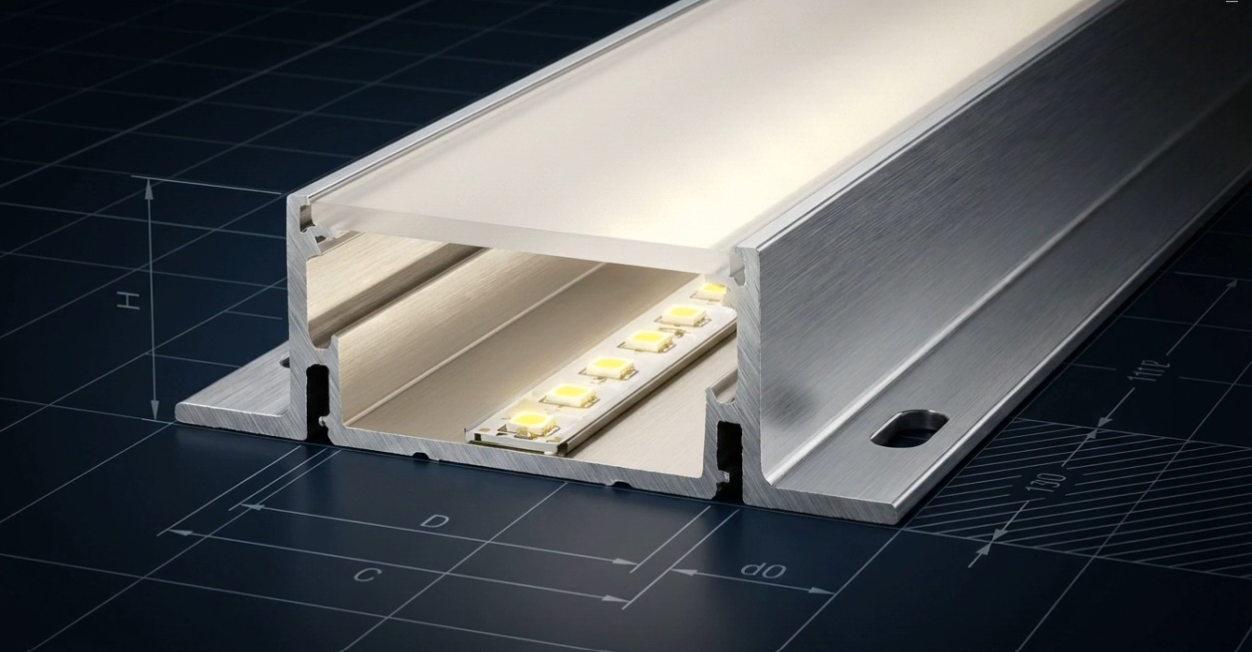
Precision-built linear lighting systems allow illumination to integrate seamlessly into architecture, creating a clean and refined finish.
Lighting That Evolves With the Day
As evening approaches, lighting must shift from functional clarity to emotional comfort. Modern systems achieve this through warm dimming, where brightness and color temperature adjust simultaneously.
As the lights dim, the color temperature transitions from crisp white to warmer tones, mirroring the natural behavior of a sunset. This gradual shift supports the body’s natural transition from activity to rest, aligning the home with human psychology.
The Technology Behind Effortless Control
All of this complexity is managed behind the scenes through systems like Lutron’s Clear Connect Type X wireless network.
This technology integrates lighting drivers, controllers, and fixtures into a single ecosystem, allowing for:
Smooth, flicker-free dimming
Precision control down to low light levels
Wireless communication between devices
Control via app, voice, or keypad
Despite the sophistication, the experience remains simple. The homeowner doesn’t see the technology; they feel it.
The Power of High-Quality Light
At night, the difference becomes undeniable.
With 90+ CRI lighting, materials come to life:
Fabrics reveal their true richness
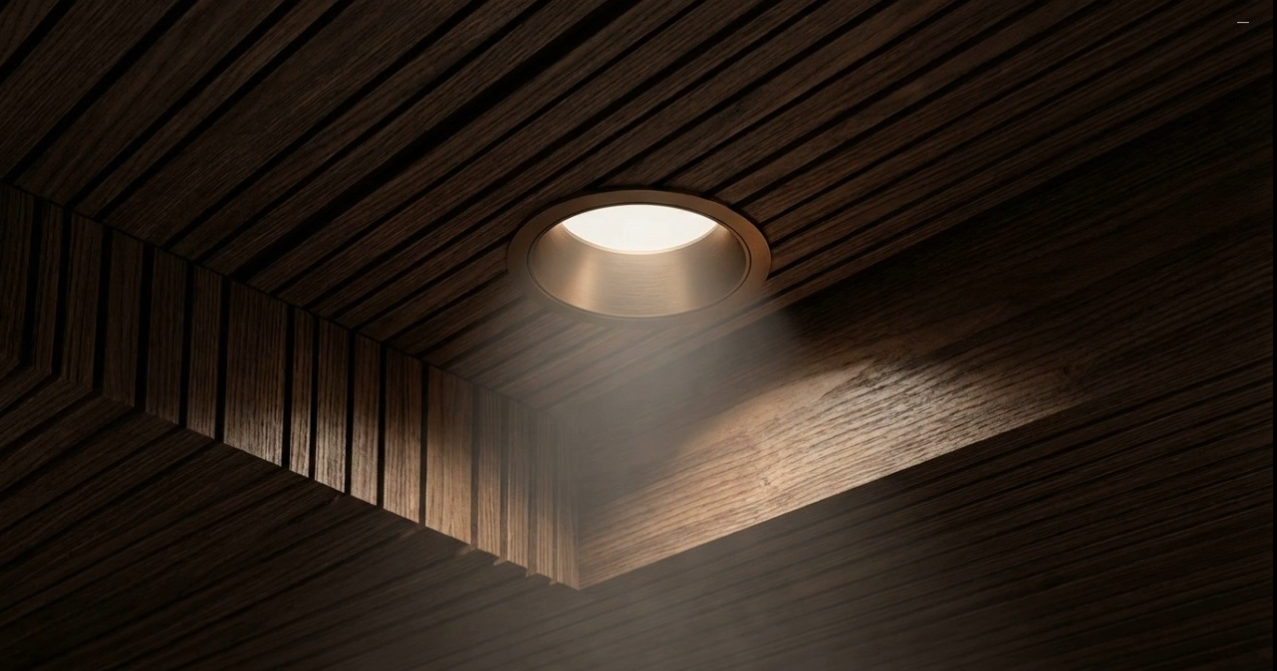
Wood grains show depth and warmth
Skin tones appear natural and flattering
At ultra-warm levels, lighting creates a soft, enveloping atmosphere without introducing harsh shadows or visual discomfort. This eliminates the subconscious tension caused by poor lighting and replaces it with a sense of calm, clarity, and comfort.
Invisible Luxury
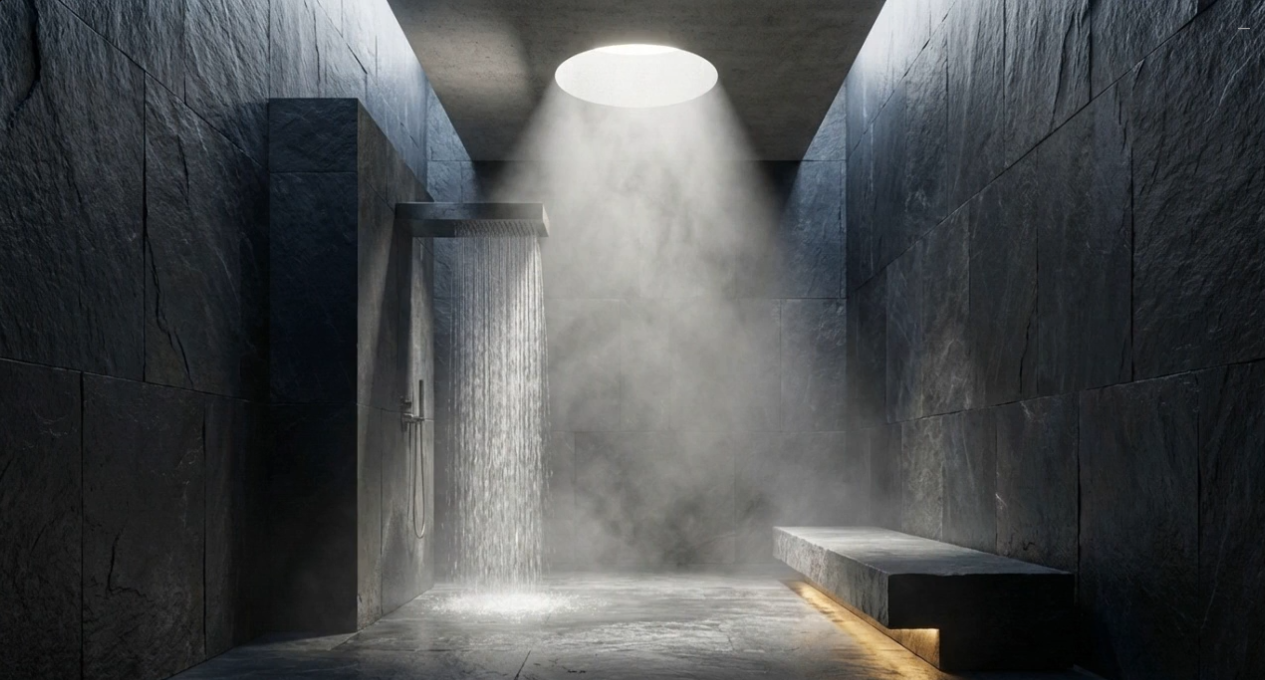
The highest level of luxury is not what you see it’s what you don’t notice. When lighting is engineered with precision and integrated seamlessly into architecture, it disappears. There are no distractions, no harsh transitions, no visual noise.
Only a space that feels effortless. This is invisible luxury where technology and design align so perfectly that the environment adapts to you without ever calling attention to itself and in that moment, lighting is no longer just illumination. It becomes a state of living comfort.
Frequently Asked Questions
What is “visual friction” in lighting design?
Visual friction refers to discomfort caused by poor lighting conditions, such as glare, harsh shadows, uneven brightness, or inaccurate color rendering. Even in beautifully designed spaces, these issues can make an environment feel uncomfortable or visually unbalanced.
Why does my luxury space still feel “off” despite high-end finishes?
In many cases, the issue is lighting. Premium materials like stone, wood, and textiles rely on proper illumination to reveal their true depth and color. Without high-quality, well-placed lighting, even the most expensive finishes can appear flat or harsh.
What causes glare on countertops and reflective surfaces?
Glare occurs when light is poorly positioned or overly concentrated on reflective surfaces such as polished stone or glass. Proper lighting design uses controlled beam angles and placement to illuminate surfaces without creating uncomfortable reflections.
What is Color Rendering Index (CRI) and why does it matter?
CRI measures how accurately a light source reveals colors compared to natural sunlight. Low CRI lighting distorts colors, making materials look dull or unnatural. High CRI (90+) lighting ensures that finishes, fabrics, and artwork appear vibrant and true to life.
Can dimming fix poor lighting quality?
No. Traditional dimming only reduces brightness; it does not improve the quality or spectrum of light. If the light source has poor color rendering, dimming will not correct issues such as washed-out tones or a lack of depth.
How does architectural lighting eliminate shadows and uneven light?
Architectural lighting uses precise beam angles and techniques like wall washing to distribute light evenly across surfaces. This reduces harsh contrast, eliminates heavy shadows, and creates a balanced, comfortable visual environment.
What are beam angles, and why are they important?
Beam angles (such as 30° or 65°) determine how focused or wide a light spread is. Narrow beams provide targeted illumination, while wider beams create softer, more diffused light. Proper selection ensures light is directed exactly where it’s needed without causing glare.
What is layered lighting, and why is it essential in luxury homes?
Layered lighting combines multiple sources: downlights, linear lighting, and accent lighting, to create depth and flexibility. This approach allows spaces to feel dynamic and adaptable rather than flat or overly bright.
What is tunable white lighting?
Tunable white lighting allows you to adjust the color temperature of light throughout the day, from cooler, energizing tones to warmer, relaxing ones. This supports both daytime functionality and comfort in the evening.
How does warm dimming improve the evening environment?
Warm dimming mimics the natural transition of sunset by lowering both brightness and color temperature simultaneously. As the lights dim, they shift to warmer tones, creating a more relaxing and intimate atmosphere.
What is wall washing in lighting design?
Wall washing is a technique that evenly distributes light across vertical surfaces. It enhances textures like wood, stone, and fabric while eliminating shadows and highlighting architectural details.
How does lighting impact how materials look?
Lighting directly affects how materials are perceived. High-quality light reveals texture, depth, and color accuracy, while poor lighting can flatten surfaces and distort tones, making even luxury finishes appear underwhelming.
What role does technology play in modern lighting systems?
Advanced systems use wireless communication and digital control to manage lighting with precision. This allows for smooth dimming, scene control, and seamless integration with other smart home features, all without visible complexity.
Is high-performance lighting noticeable?
The goal of luxury lighting is to be felt, not seen. When designed correctly, lighting becomes invisible—there are no harsh transitions or distractions, only a space that feels naturally comfortable and visually balanced.
What is “invisible luxury” in lighting?
Invisible luxury refers to lighting that is fully integrated into the architecture and operates seamlessly in the background. It enhances the space without drawing attention to itself, creating an effortless and refined living experience.
