Lutron at CEDIA Expo 2026: How the Smart Home Learned to Anticipate
Every September, the home technology industry gathers at CEDIA Expo to show what's coming next. Most years, the news is incremental: a faster processor, a thinner keypad, a new finish option. This year felt different, at least at the Lutron booth.
Our team spent several days walking the show floor, and we kept coming back to Lutron. They didn't have the flashiest display in the hall. But their message was clear, and it lines up with what we've been seeing in homes around Austin and Westlake for a while now: the smart home is moving away from something you operate and toward something that works around you.
Here's what we saw, how the pieces fit together, and what it means if you're building or renovating a home here in Central Texas.
The End of the "Tap to Turn On" Era
For a long time, the pitch for home automation was control. You could open an app, tap a button, and a light turned on across the house. That was the whole idea, and to be fair, it was impressive at first.
The trouble is that control still asks you to do the work. You have to remember to close the shades before the afternoon sun hits the living room. You have to dim the lights when it's time to relax. The phone just replaced the switch.
Lutron's 2026 portfolio starts from a different question. Instead of "what can the homeowner control?" it asks "what does this room need right now?" Light and shade are treated less like gadgets and more like building materials, much like the stone, wood, and glass that shape how a space feels. The aim is a home that follows your routine through the day with very little input from you.
The easiest way to explain it is to walk through a single day.
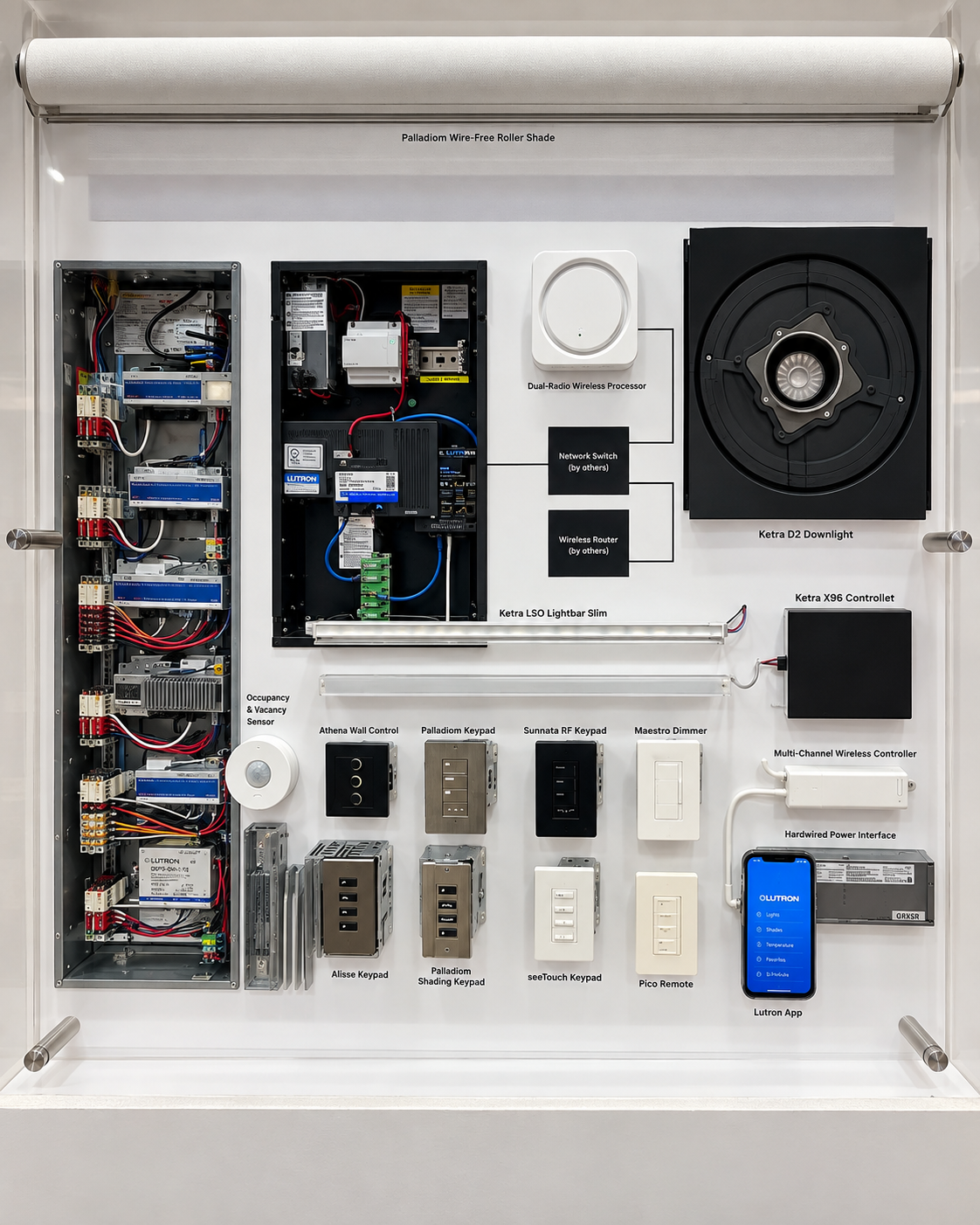
A detailed Lutron system display showcasing lighting controls, Ketra fixtures, wireless processors, keypads, shading components, and app-based control working together within one integrated platform.
Morning: Palladiom Motorized Drapery
The first thing any home deals with each day is sunlight. In Austin, that usually means a lot of it. Big windows are one of the best parts of Hill Country architecture, but they also bring glare across screens, heat into rooms, and fading on floors and furniture.
Lutron's answer is the Palladiom drapery system. At first glance, it looks like a classic exposed curtain rod, the kind you'd expect in a well-designed traditional home. It's even finished with an exclusive Swarovski crystal finial. The difference is inside. A motorized track runs through the rod itself, so there's no bulky housing or visible motor hanging off the wall.
The engineering is more serious than the look suggests. The concealed drive can carry fabric panels weighing up to 125 pounds, which covers heavy lined drapery and floor-to-ceiling panels. The rod stays slim and straight under that load, without the sag you'd see in a standard rod carrying the same weight.
What impressed us most was the logic behind it. The system calculates the sun's exact position throughout the morning and lowers shades only as far as they need to block direct glare. The rest of the window stays open, so you keep the view you paid for. No one has to walk from room to room pulling curtains. The house handles it before you've finished your coffee.
For homes with large west- or south-facing glass, which describes a lot of the properties we work on in Westlake, this kind of automatic glare control makes a noticeable difference in comfort. It also helps protect hardwood floors, rugs, and artwork from years of sun exposure.
Midday: Orluna Architectural Lighting
By midday, the focus moves inside. You're working from a home office, cooking, reading, or helping the kids with homework. That's when lighting quality really shows.
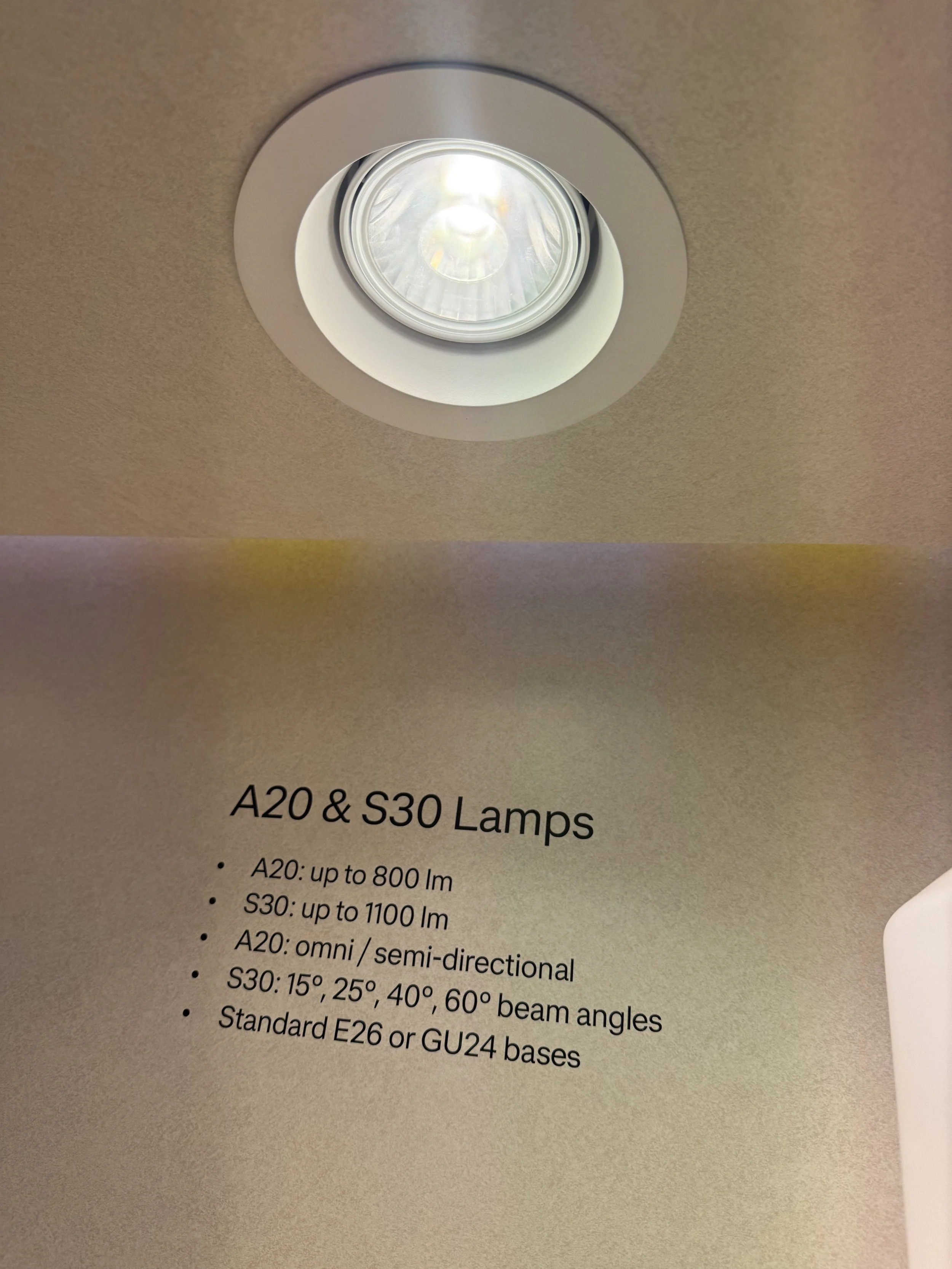
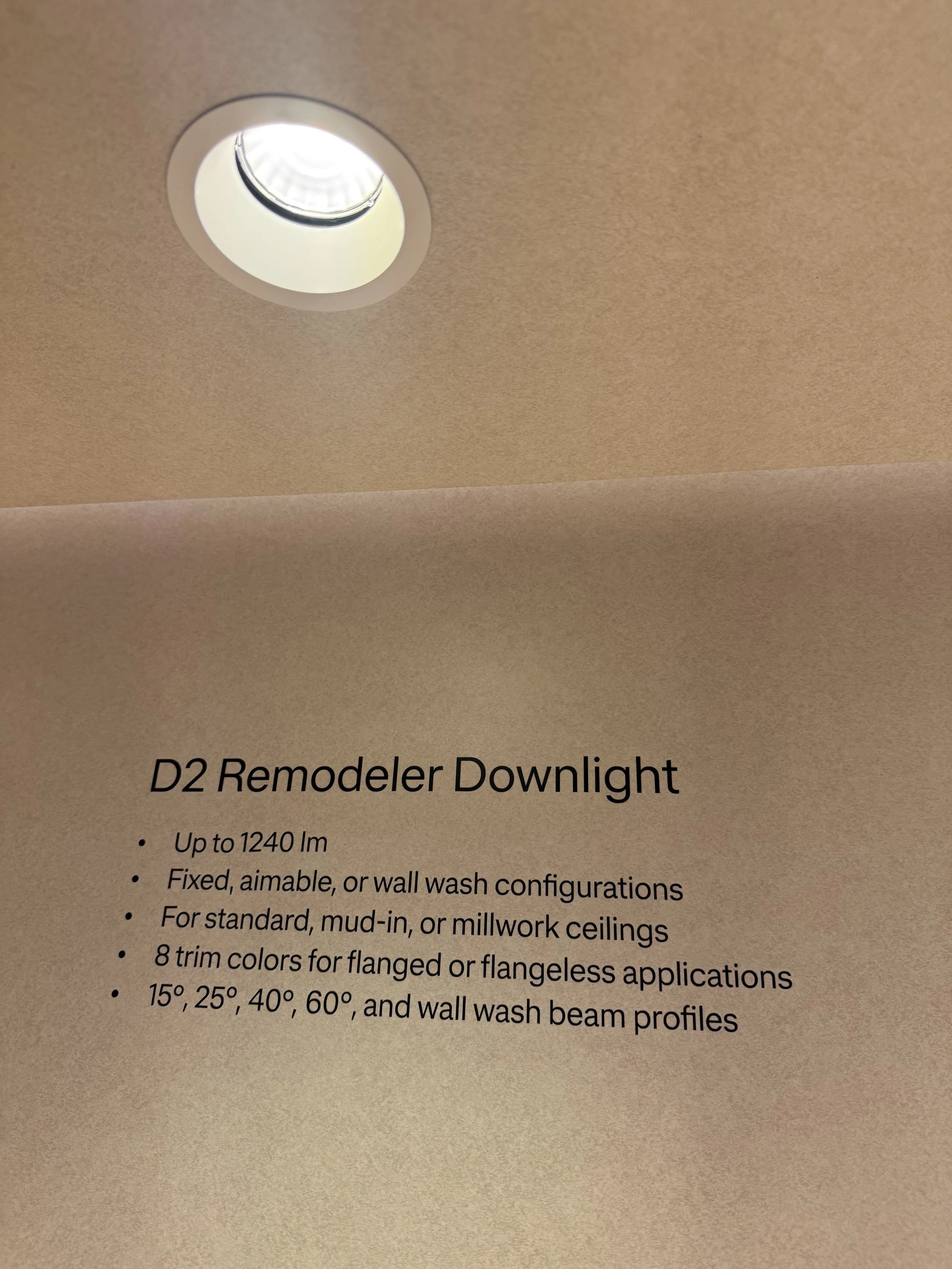
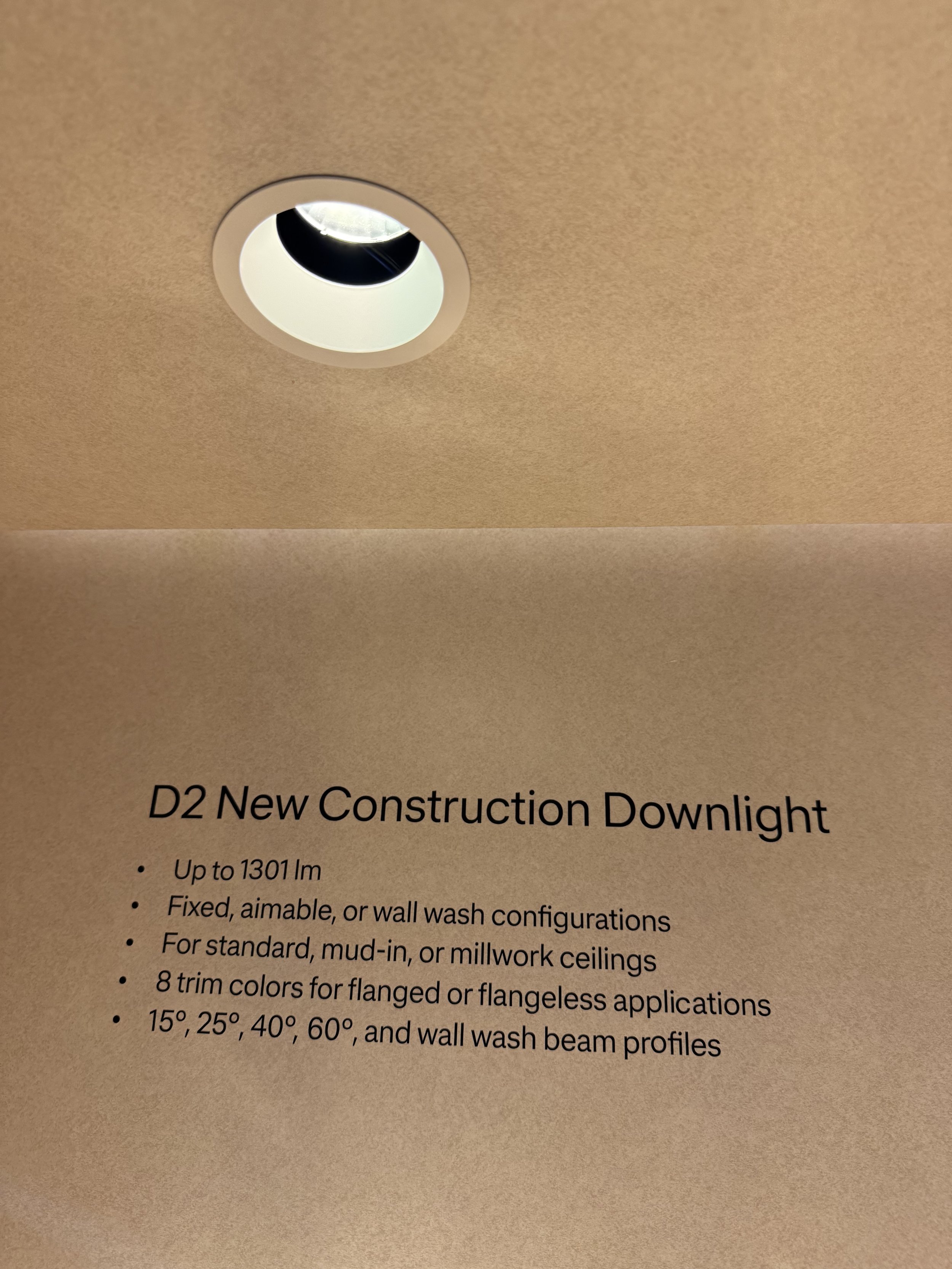
Lutron is addressing this with Orluna, an architectural lighting portfolio expected to launch in North America in early 2027. Orluna's engineering centers on one thing that sounds simple but is surprisingly hard to get right: color consistency.
If you've ever stood in a kitchen where the recessed lights look slightly blue, and the pendants look slightly yellow, you know the problem. Different fixtures, even from the same brand, often produce slightly different shades of white. Once you notice it, you can't stop noticing it.
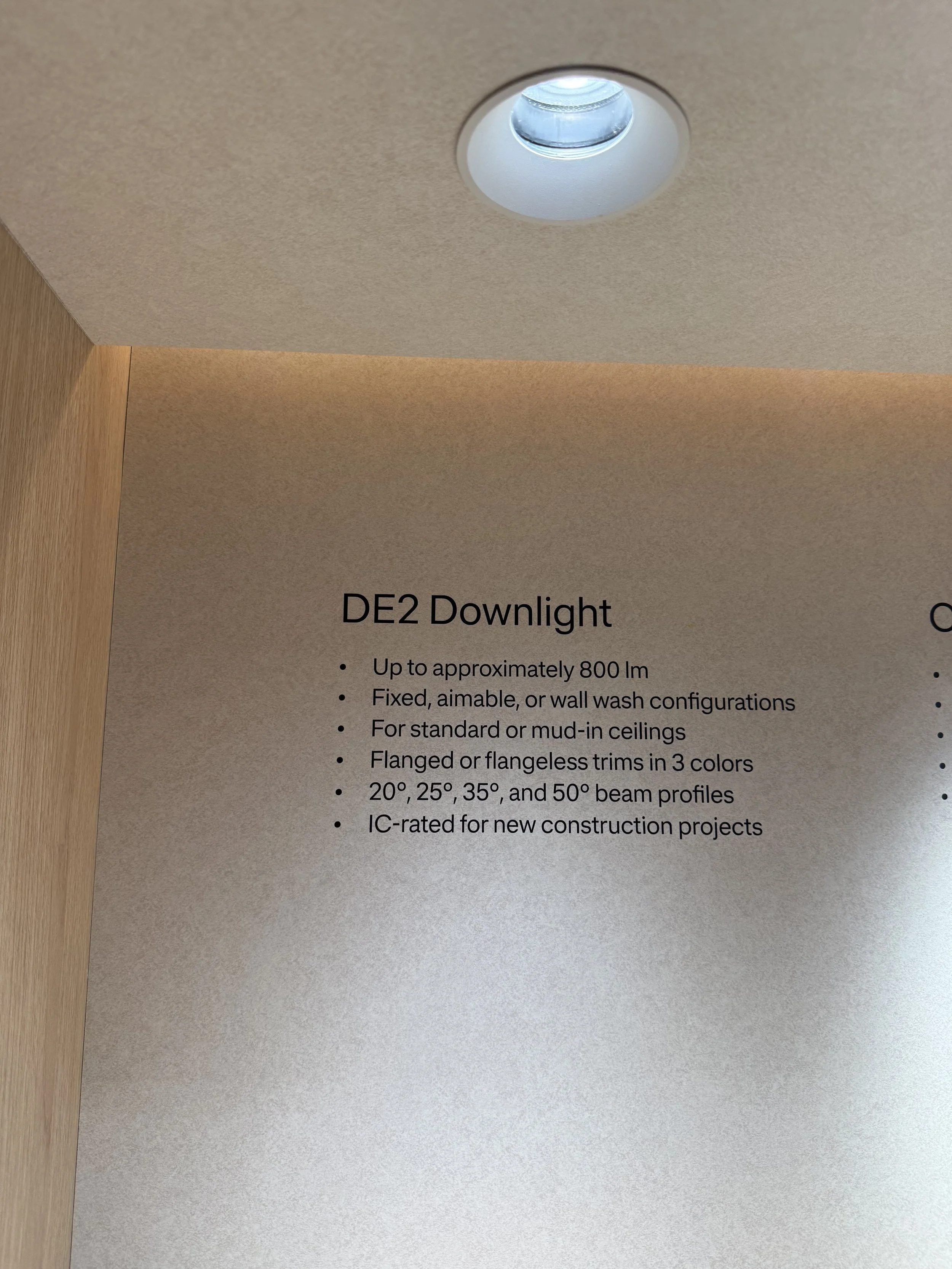
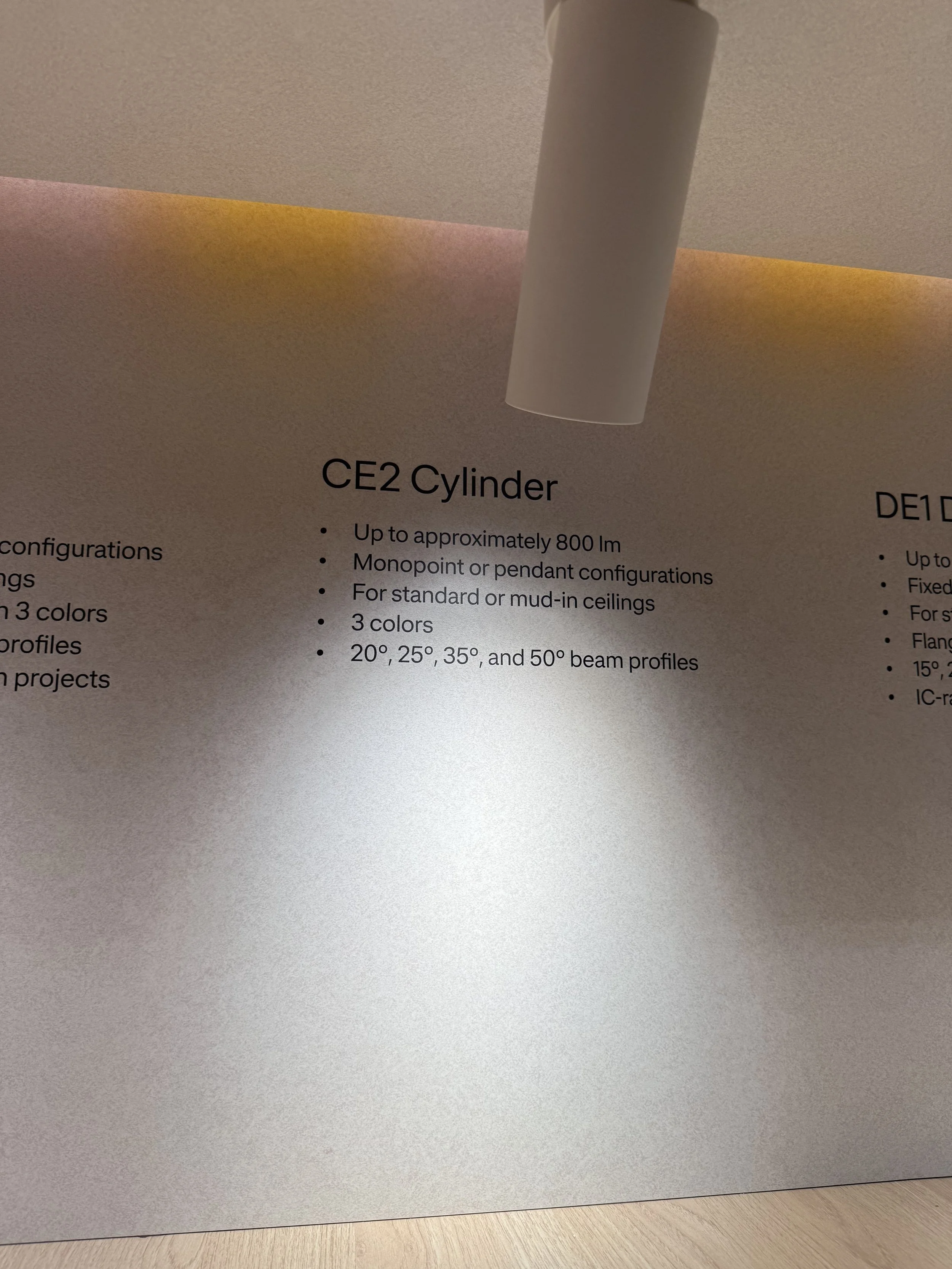
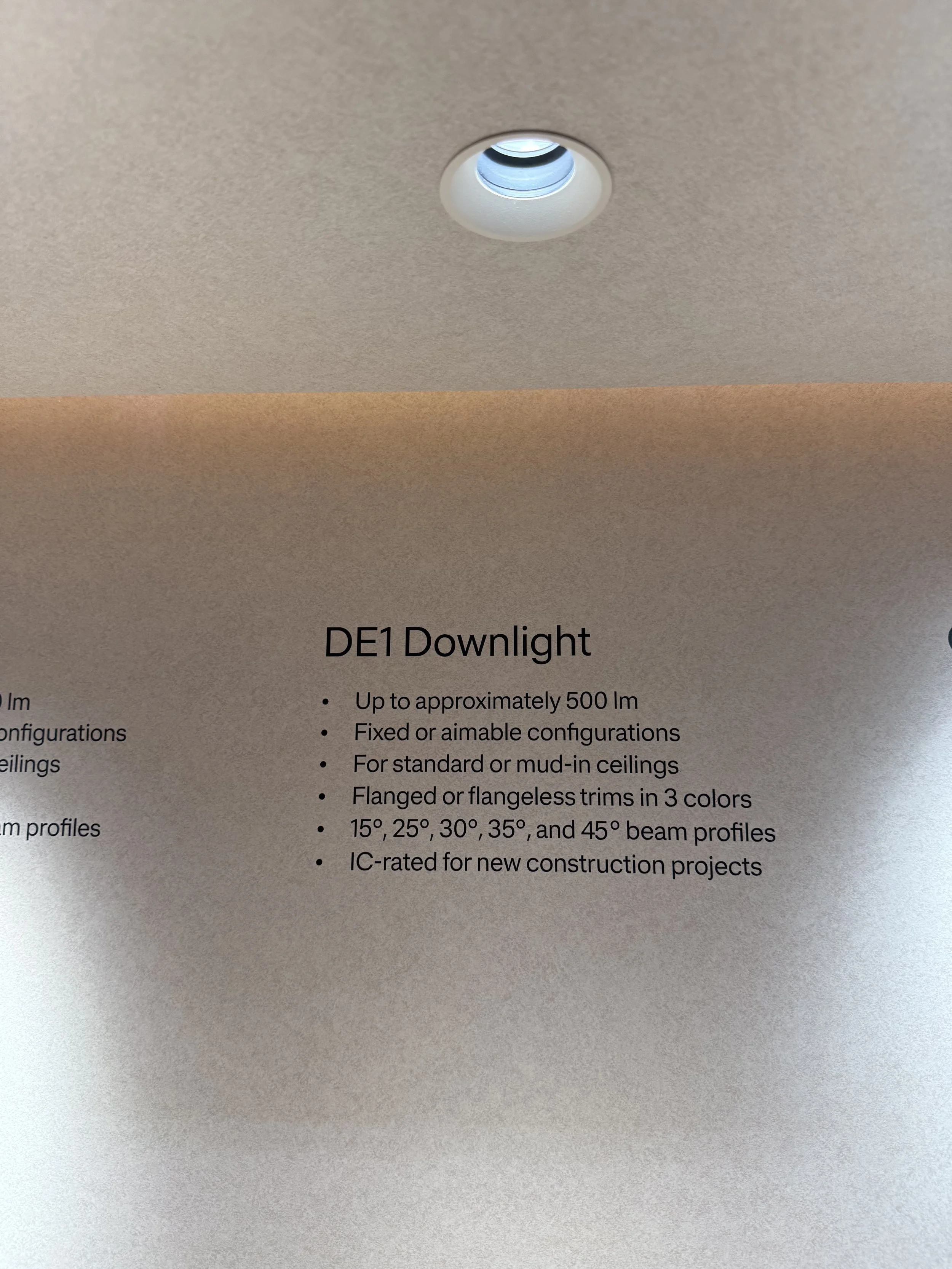
Orluna is designed so that a recessed downlight, a monopoint cylinder, and a path light all produce the same color of light. The whole space reads as one intentional design, not a mix of fixtures picked at different times. That matters most in kitchens, offices, and open-plan living areas, where you can see many fixtures at once.
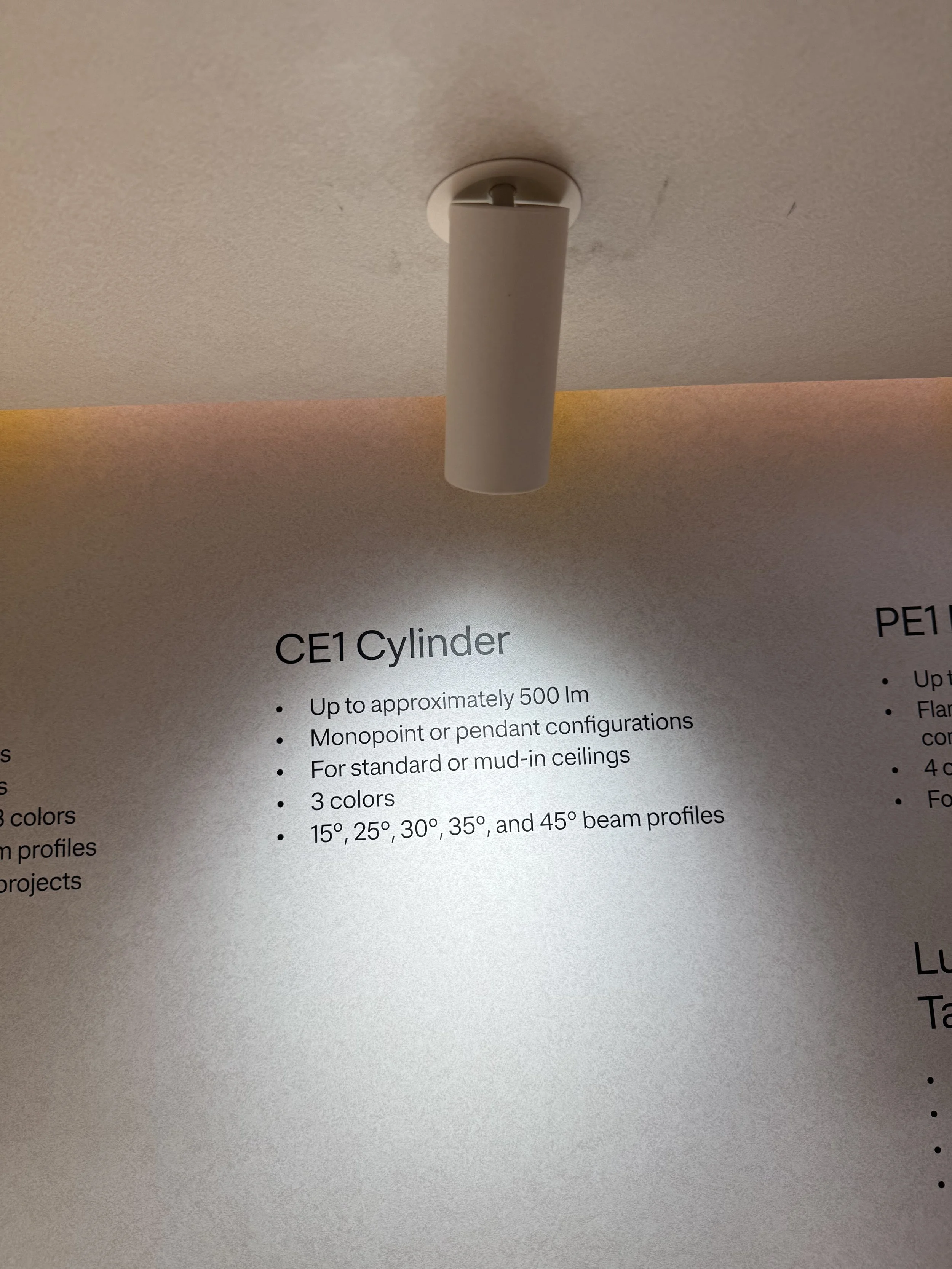
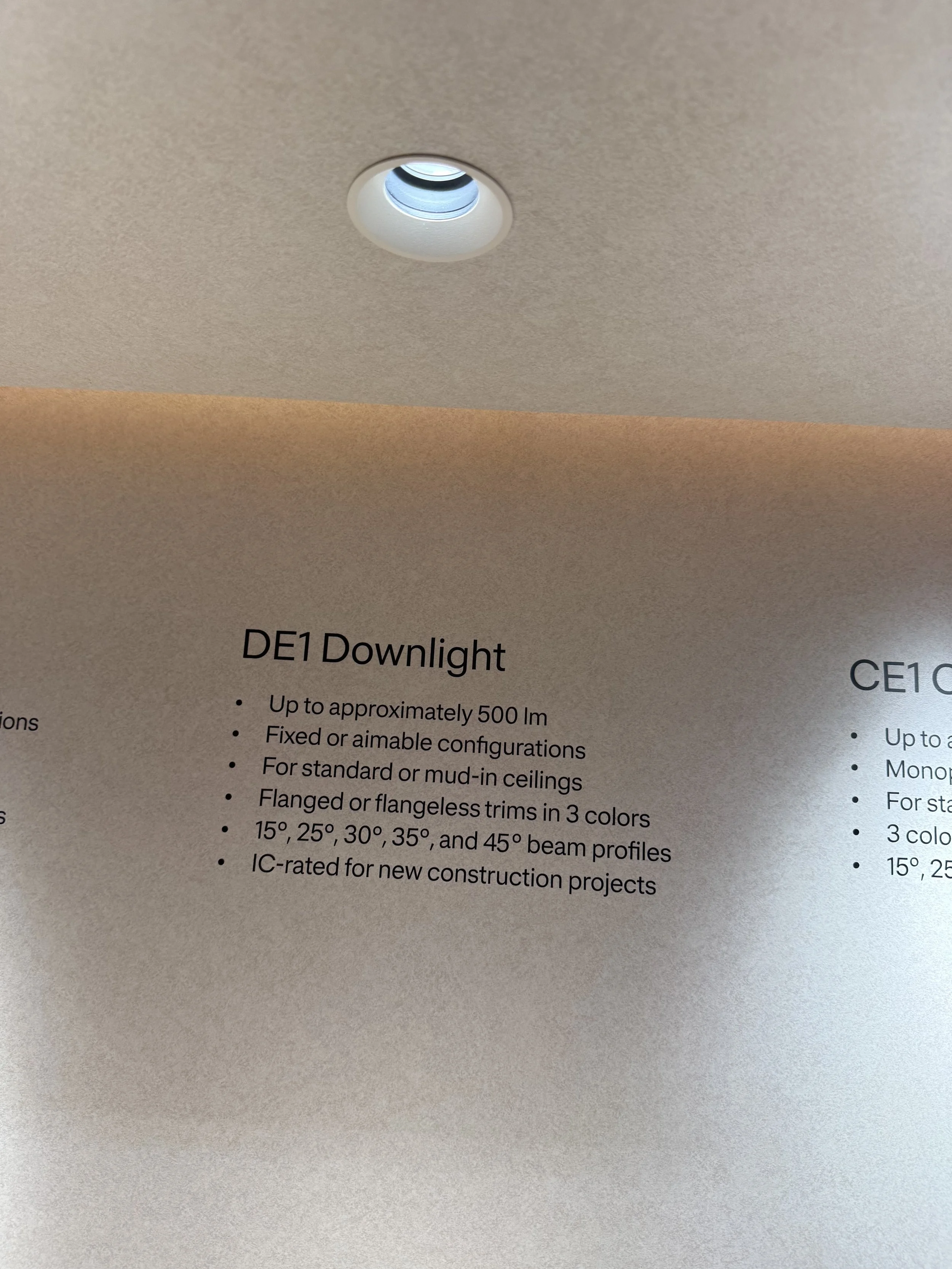
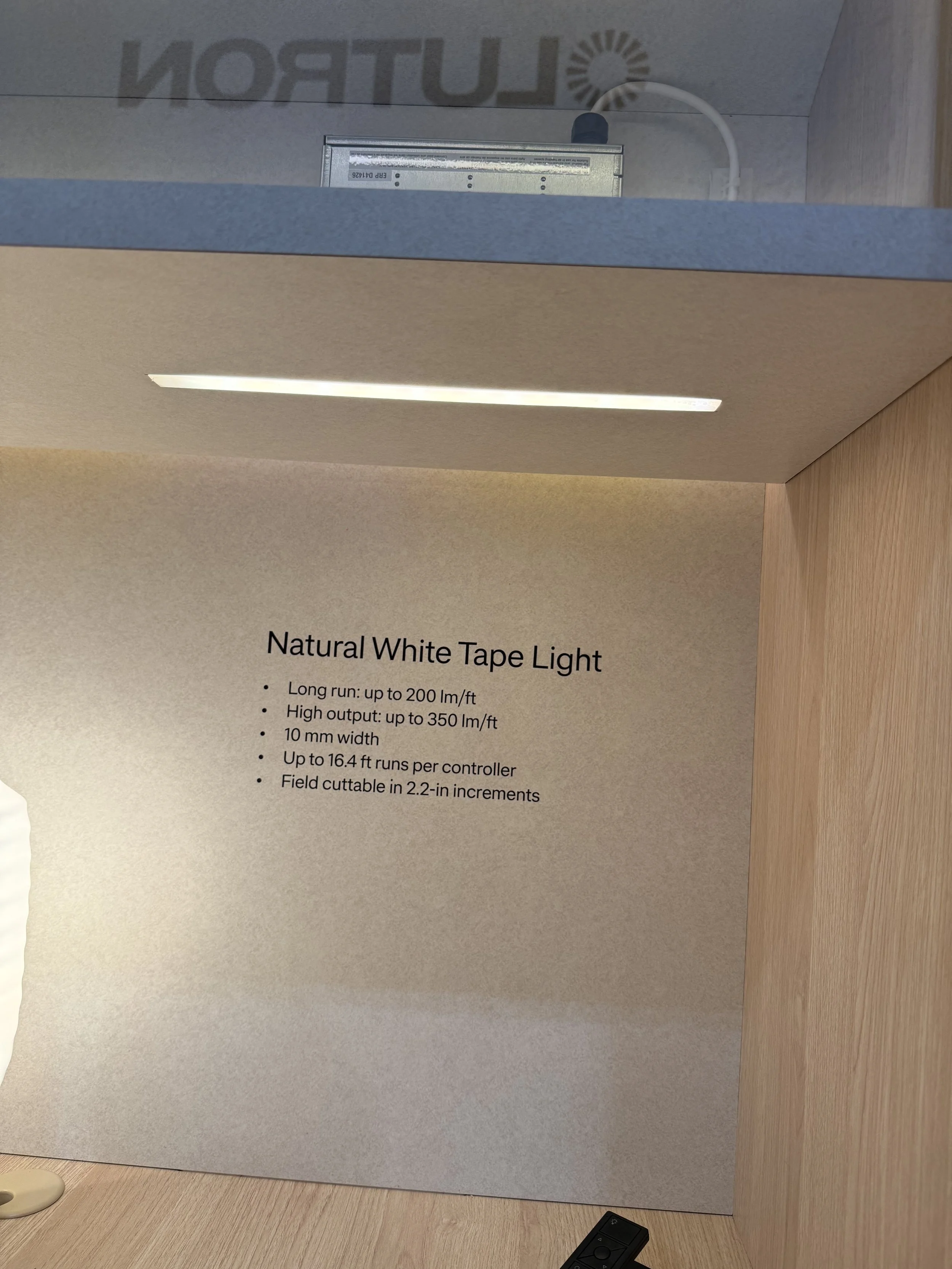
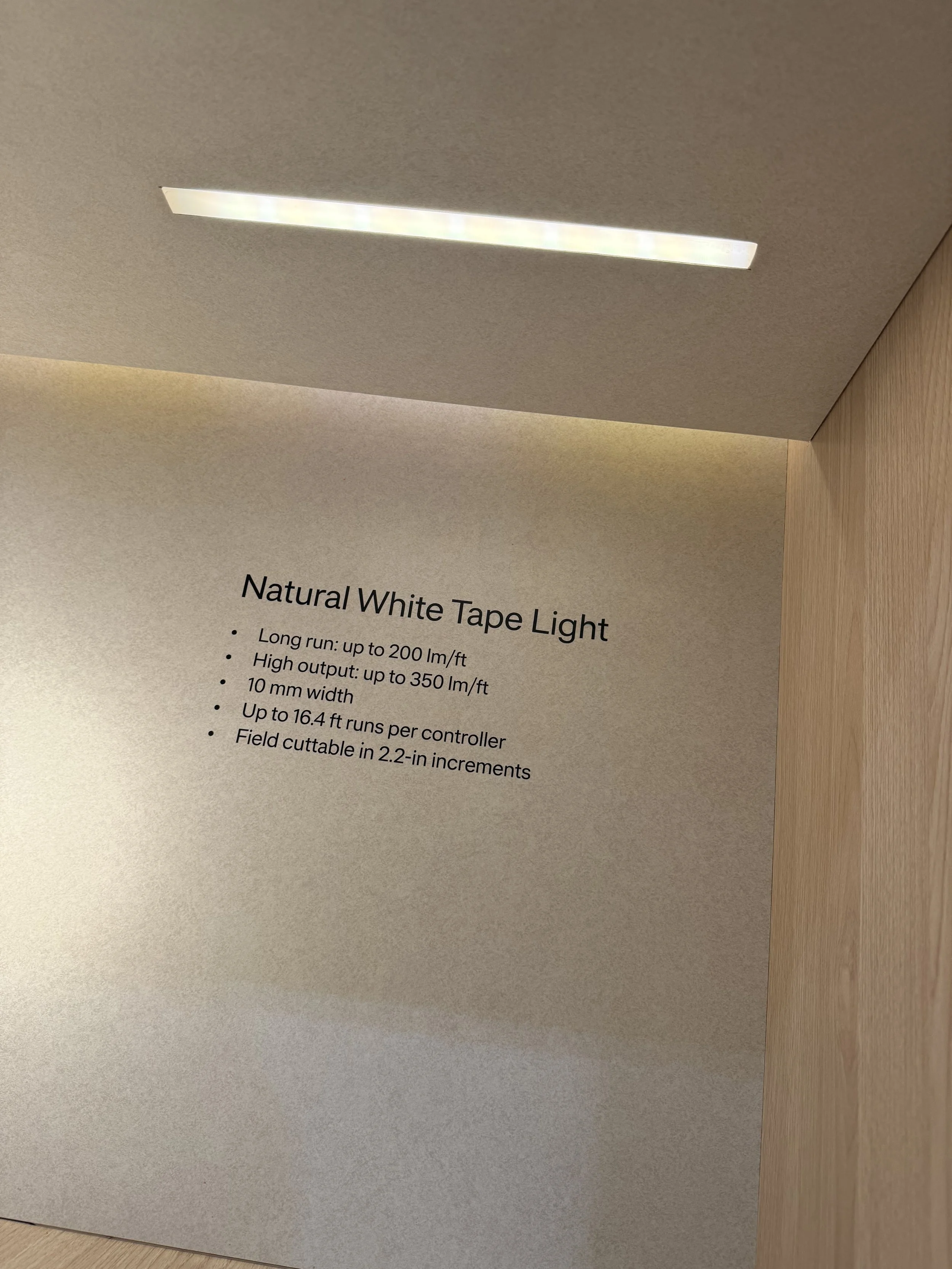
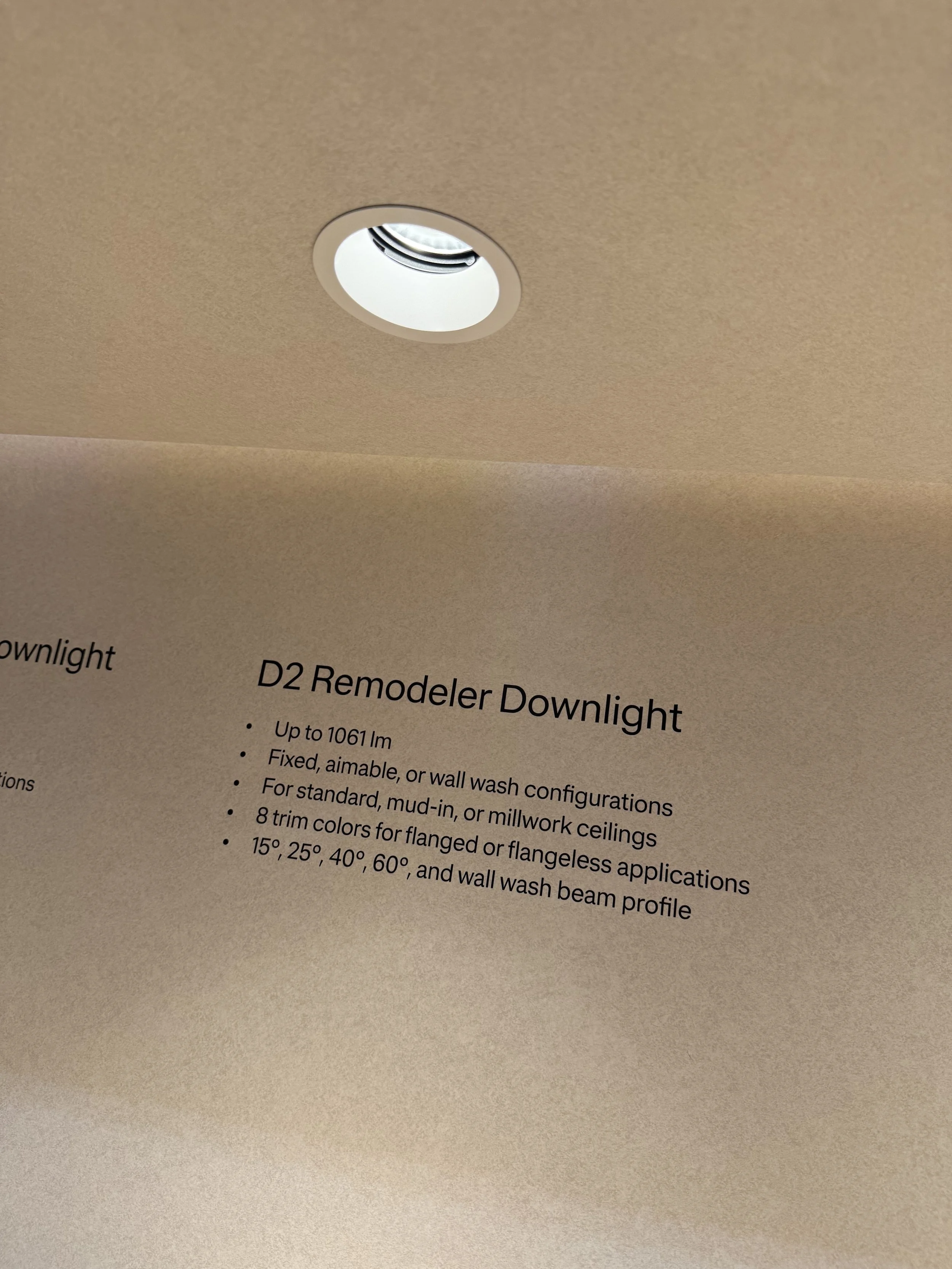
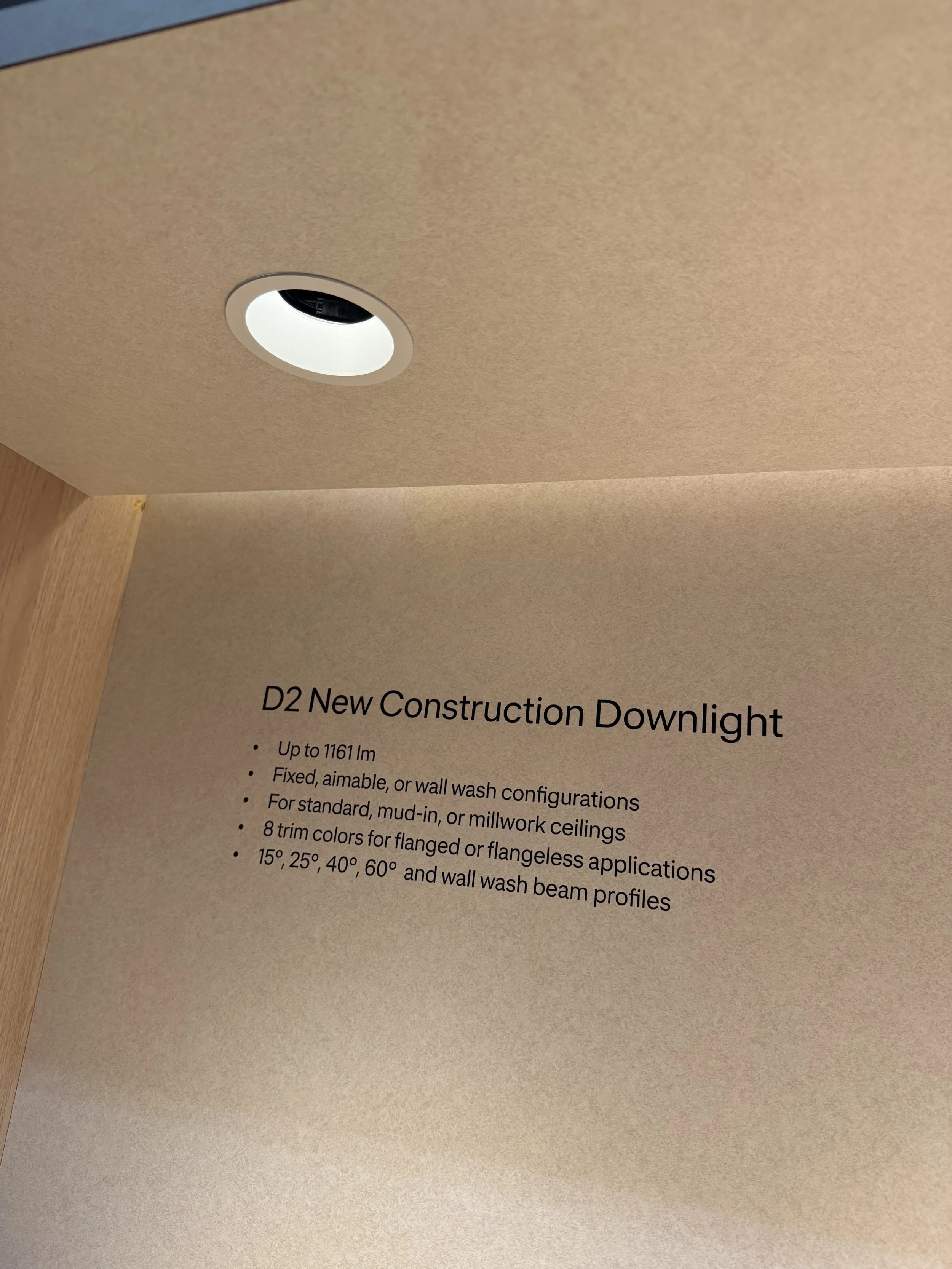
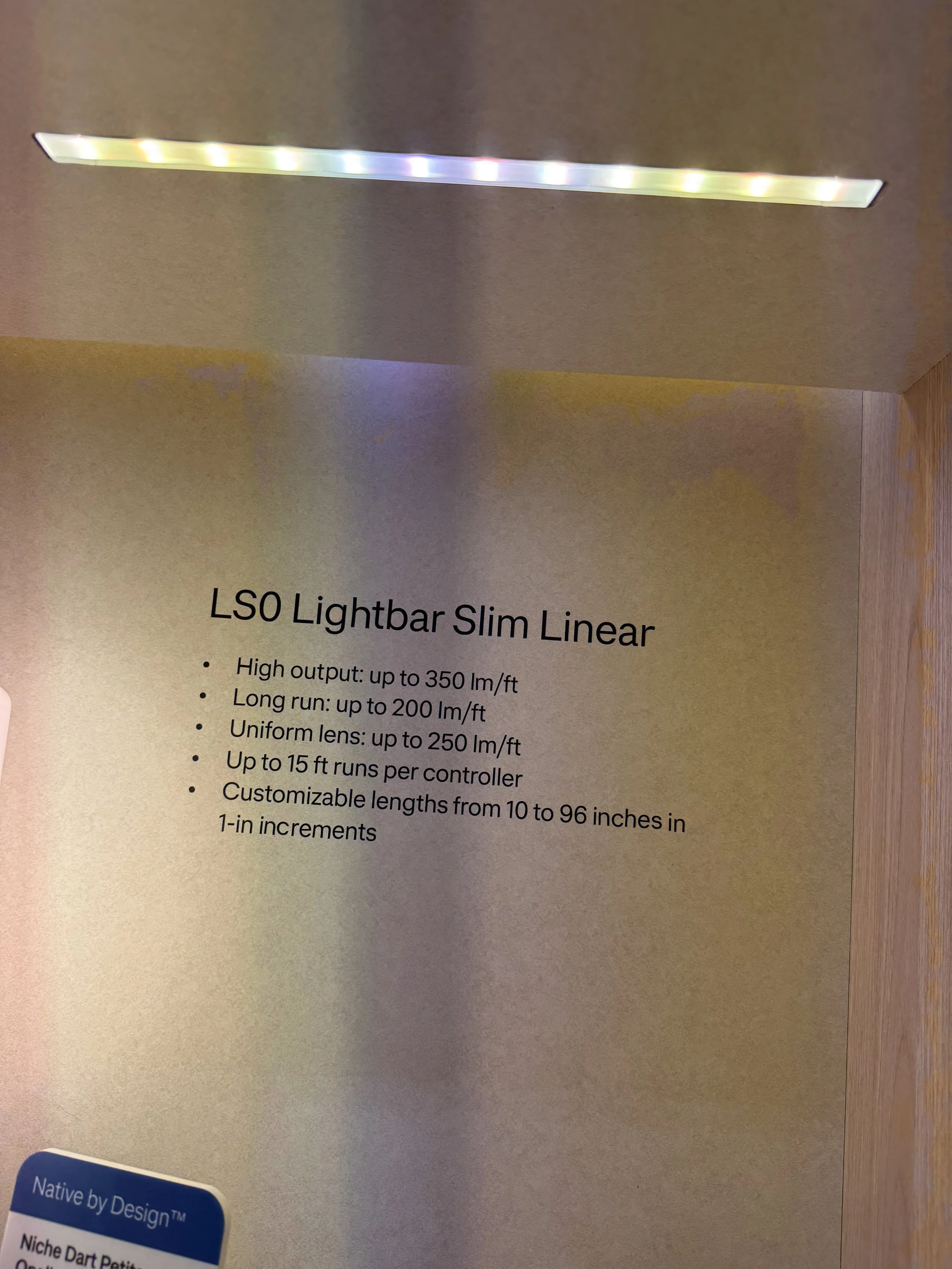
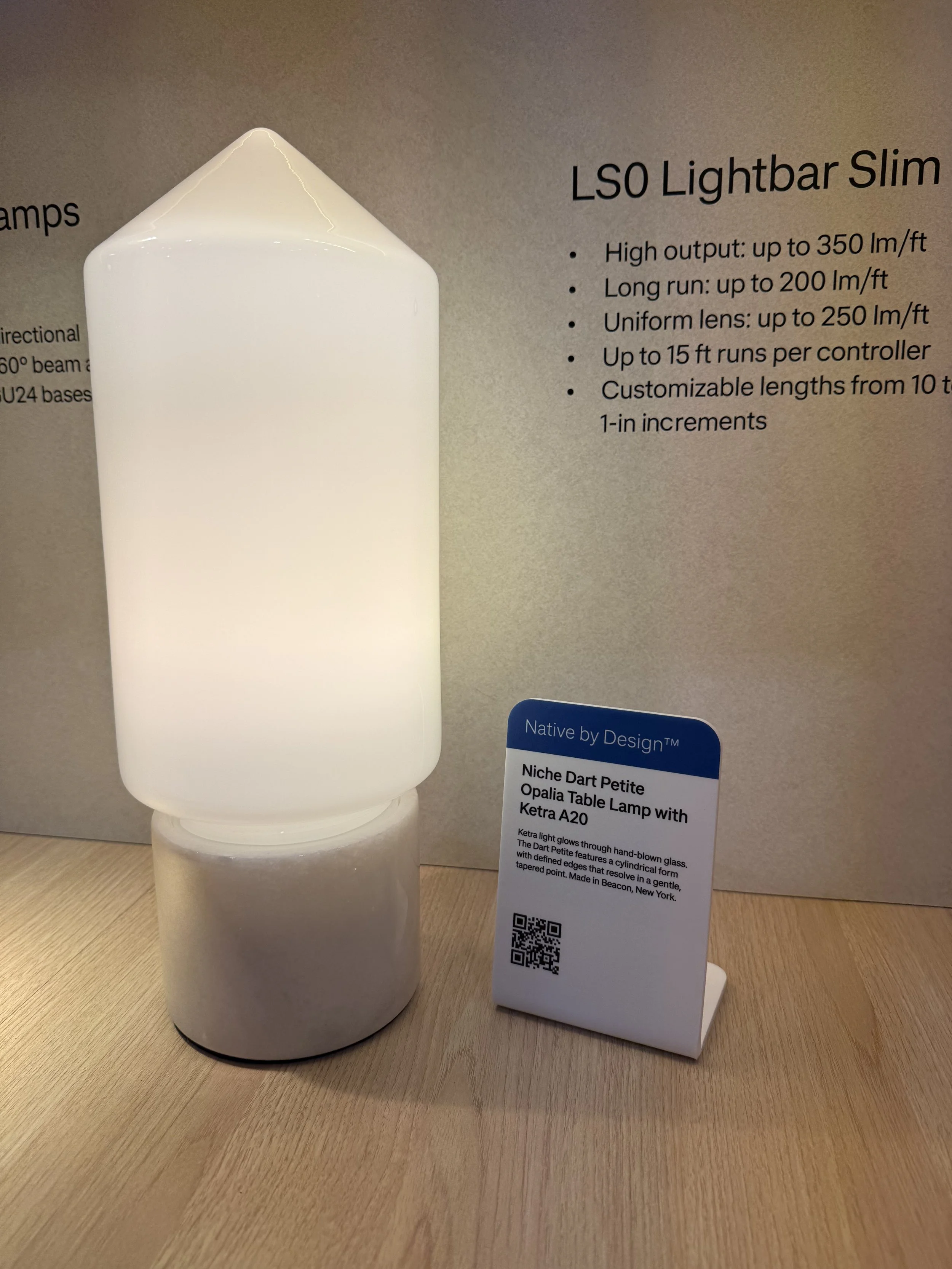
More Control, Less Hassle
Even the best automated home needs a human touch during the day. Plans change, guests come over, and sometimes you just want the room a little brighter. Lutron has made those small adjustments much easier.
Through the updated Lutron app, homeowners can now:
Reprogram keypad buttons themselves, without scheduling a service visit
Set precise shade limits right from their phones
Adjust lights and shades by voice through Sonos integration
That last one is more useful than it sounds. If you're in the middle of a video call and the sun starts hitting your screen, you can ask for the shades to come down without getting up or hunting for a switch. It's a small thing that removes a lot of daily friction.
Evening: Ketra Lighting and One-Touch Scenes
When the sun starts to go down, the house shifts again. Bright, focused task lighting gives way to something softer. This is where Ketra, one of the systems we install most often, really earns its place.
Ketra is Lutron's premium tunable lighting system. It's designed to follow the natural arc of sunlight through the day. It can produce a crisp 10,000K daylight tone and then move gradually down to a warm 1,400K glow that feels a lot like candlelight. The change is smooth enough that you barely notice it happening, which is exactly the point.
The catch, until recently, was programming. Coordinating that kind of transition across dozens of fixtures in a large home took a lot of custom setup work. With Lutron's latest HomeWorks programming update, installers can now build the entire evening transition into a single keypad button. One press, and the whole house starts winding down.
The payoff goes beyond atmosphere. Warmer evening light makes a home feel more welcoming, and it gives your body the natural signals it uses to prepare for sleep. Harsh, bright white light late at night works against that. Ketra works with it.
The Bigger Picture: One System, One Timeline
Any one of these products would be worth talking about. What really stood out at CEDIA this year was how well they work together.
When Palladiom drapery, Orluna fixtures, and Ketra lighting are designed as one system, they run on a shared timeline that follows your circadian rhythm from sunrise to bedtime. The shades respond to the sun. The task lighting supports the workday. The evening lighting helps everyone settle in. You end up with one coordinated environment rather than a collection of separate devices that each need their own app.
That's the part that's easy to miss if you only look at spec sheets. The value isn't in any single fixture. It's in how the whole house behaves.
Technology You Stop Noticing
We've been designing and installing home systems long enough to know that the best projects share one quality. After a few weeks, the homeowners stop thinking about the technology at all. The lights are right. The shades are where they should be. The house just feels good to be in.
That was the biggest takeaway from CEDIA Expo 2026. When lighting, shading, and controls communicate seamlessly, the hardware fades into the architecture. The home stops feeling like a control panel and starts feeling like a place that understands how you live.
Experience It with Smarter Homes
Smarter Homes specializes in Lutron Ketra lighting, motorized shading, and custom smart home networks for homeowners, builders, and designers throughout Austin and Westlake. If you're planning new construction or a renovation, now is the right time to think about how light and shade will work in your space, before the walls close up.
We'd be glad to walk you through what's possible and help you design a home that adapts to the way you live.
-
Like $5 million designing this incredible minimalist luxury home. Right, where every single detail is just completely obsessed over. Exactly, you spent months working with architects, you know, integrators, just trying to perfectly hide every single wire and black box behind pristine drywall. You just want the space to feel completely effortless, right? And then after all that, your designer tells you that for the window treatments, the best approach is to put the motorized hardware on full exposed display, right in the middle of the living room. Yeah, which sounds completely counterintuitive, honestly. It really does. I mean, it goes against everything the custom integration industry has preached for the last decade about hiding technology. It definitely does, but there's a very good reason for it now. Well, that's exactly what we're getting into today. We have this massive stack of field reports, photos, and training transcripts that the Smart Homes team brought back from Cedia Expo 2026, which was a fascinating show this year. It really was, and we're going to figure out exactly why technology is suddenly coming out of hiding. We are zeroing in entirely on Lutron for this deep dive. Yeah, focusing on essentially the five biggest things the team learned about Lutron at the show. Right, and our mission today is to unpack what was physically demonstrated in the Lutron booth, what the team heard behind closed doors in the engineering sessions, and really translate those specs into real-world meaning for you. Because whether you're a luxury homeowner, an architect, an interior designer, or an integrator, the way we interact with light and shade is-it's just fundamentally shifted. It is, and that shift is exactly why studying a show like Cedia is so critical. Oh, absolutely, because Cedia is that specific place where we see the transition from you know an abstract specification sheet to a tangible physical design experience. Yeah, we aren't just going to read off a generic product catalog today. Definitely not. We are essentially walking the show floor through the smarter homes notes, parsing out what is genuinely new for 2026, what the firsthand experience actually felt like, and what Lutron officially confirms about how these systems are evolving. Okay, so let's just jump right in.
Before we even look at the physical fixtures or the software updates, we have to talk about the feeling of the space itself. The environmental impact. Exactly. Looking at the field reports, the single most impactful firsthand experience on the show floor wasn't a specific piece of hardware at all. No, it was an environmental demonstration. Right. They called it the Petra Natural Light Show, which is really the perfect place to start our analysis, because you know lighting is fundamentally an emotional experience before it is a technical. It completely changes how you feel in a room. Totally. And what the observers witnessed in that demonstration room was a space that physically changed its atmosphere throughout the day. The breakdown described it so vividly. It perfectly connected the natural daylight coming through the physical windows with the tunable indoor lighting. Right, syncing the dimming levels and the precise color quality of the room altogether. It essentially dissolves the boundary between indoors and outdoors. Yeah, like in the morning, the notes say the automated shades raised in perfect synchronization with the indoor catcher lighting perfectly matched that incredibly bright, cool, energizing daylight. But then, as the demonstration progressed into the evening, the shades lowered, and the room shifted into this incredibly warm, candlelit esthetic. Yeah, moving way down into that 1,400 Kelvin range. And the team noted that the transition was just completely seamless. Yeah, you barely noticed it happening, but suddenly the room felt entirely different. And if we connect this to the bigger picture, this is exactly why architects and interior designers are being forced to completely rethink illumination. Right, it's not just a fixture anymore. Exactly, lighting is no longer a static architectural element where you just pick a color temperature, screw in a bulb, and walk away. Yeah, dynamic. It is entirely temporal now. The home is actively responding to the natural rhythms of the day and human circadian needs. I was actually thinking about how to visualize this for you, and the best way to describe it is like a symphony orchestra. Oh, I like that. Yeah. So if the individual downlights, the decorative lamps, and the automated shades are the instruments, the Lutron system is the conductor. Right. Keeping everything in sync. Exactly. It's ensuring that the brass section, which in this case is the harsh, bright midday sun, doesn't completely overpower the string section, your indoor tuneable lighting, at the wrong time of day. That is a highly accurate analogy, actually. And to take it a step further, you know, a skilled conductor doesn't just manage the volume of the instrument. Right, they manage the specific tone. Exactly, and the notes specifically highlight a hands-on experience at the booth with a feature called Ketra Vibrancy. Oh man, vibrancy is so fascinating. It really is. You can think of vibrancy as a third dial on your lighting control. We usually think of lighting as having only two dials, right? Intensity, which is just dimming, and then color temperature, so moving from warm to cool. Exactly, but vibrancy is completely different. It allows you to remix the exact balance of red, green, and blue light output to alter the way light renders color on art and objects, and it does that without actually changing the color of the white ambient light going around. Right, that is the crucial part. Yes, which is just wild to wrap your head around. Like you could have a vibrant, highly textured painting on the wall, and by adjusting that vibrancy dial from the keypad, you can make the reds in the painting completely pop, or bring out the deep blues and a piece of furniture. Yeah, right. While the ambient light and the rest of them just remains this perfect crisp white, it feels like magic. It really does. You are moving the underlying spectrum of the light, not just the temperature, but you know, perfecting the indoor lighting is really only half the battle. If you can't control that harsh afternoon sun piercing through the windows, your indoor symphony is completely brutal. Which brings us right back to the scenario we started with at the beginning of the deep dive. Yes, the second major standout for the team from a purely design perspective was the palladium drapery system. It is such a fascinating piece of engineering. It really is. Palladium drapery essentially marries the slender refinement of a traditional curtain hole with the exceptionally quiet automated track mechanism that Lutron is famous for. And as you mentioned earlier, it is an exposed track. It is designed to be completely visible in the room. Okay. Push back here because this is what tripped me up. For the last decade, hasn't the entire luxury integration industry been absolutely obsessed with making things invisible? They have. Yes. We've been like mudding drapery tracks directly into the ceiling, creating these incredibly complex, hidden architectural pockets, just so you don't see a single piece of hardware. Right. So why on earth would designers suddenly want an exposed motorized track? It is a totally valid question. What you are seeing here is a fundamental shift in design philosophy. Okay, how so? Technology is no longer inherently considered an eye floor. When a manufacturer actually spends the time to craft the hardware beautifully using things like hand-finished aluminum, directional surface treatment, and architectural end cap. I said exclusive Swarovski crystal finial they showed off. Exactly. When it looks like that, it ceases to be a piece of technology you want to hide in a ceiling pocket. It becomes an intentional architectural. Oh, I see. It serves as like functional jewelry for the room. That's a great way to put it. Okay, that makes sense. It's kind of like a high-end kitchen. You don't hide a beautiful handcrafted Italian espresso machine in an appliance garage. No, you leave it right on the counter because it looks incredible. Right, and the engineering breakdown from the technical sections was very specific about the mechanics of this palladium system too. Yeah, the notes mentioned this track took three years to develop. Three years, and here is a crucial detail for any builders or architects listening to this: it is wall mount only. Wall mount only. That's very important. Wait, so no ceiling mount at all. No dual mount capabilities for like shear and blackout curtains. Correct. The training was explicit about this. It is designed to sit in a clear, intentional relationship to the wall because it is an architectural statement. And looking at the specs the team gathered, it is incredibly robust. The D175 drive can hold up to 125 pounds of fabric, which is a massive amount of weight for a single automated drive. It is, and the track can span up to 30 feet using splices. 30 feet is huge. Plus, Lutron officially announced the new Ethos fabric collection at the show, which is their first 100% polyester, PVC-free screen fabric, which is a vital detail for the interior designers listening. Why is that so critical? Because a PVC-free fabric like that is necessary for maintaining absolute even flatness across those massive 30-foot spans. Oh right, because you can't have a beautiful exposed track and then have wavy, uneven fabric hanging from it. That would look terrible. Exactly, the fabric has to lay perfectly flush. Good point. Okay, so we have the shades managing the natural light. Let's look at the new instruments delivering the indoor light. Because while Ketra is incredibly powerful for full spectrum control, Lutron is actively expanding their portfolio. Right. The Smarter Homes field notes highlighted significant time spent at the Orluna display. Yes, which was officially previewed for the North American market at CBI this year. Yeah, Lutron actually acquired Orluna, which is a UK-based architectural lighting manufacturer, back in 2025. Right? They did, and the official word for Lutron now is that these fixtures will be available to order in North America in early 2027.
But the team having the opportunity to speak directly with the Orluna engineers on the show revealed some very important technical distinctions. Let's unpack those because they matter a lot for specifiers. Okay, so first, Orluna operates on an 1800 to 4000 Kelvin range. So it's not the massive 1400 to 10,000 Kelvin range you get with Pixar, right? But it provides exceptionally beautiful, warmed, cool light within that specific spectrum. And the spec that really jumped out to me in the notes was the dimming, flicker-free dimming down to 0.1% It is an astonishingly low dimming threshold. Wait, 0.1% At that point, it's not even a light bulb functioning to illuminate a room, right? It's basically just an ember. That's a good comparison, and I can see why that is absolutely critical for, say, a dedicated home theater or a primary bedroom at night. Yeah, where you want just enough light to navigate without breaking the mood or waking someone up. Exactly, it provides architectural presence without any glare, but here is where it gets highly technical in the training notes, and we really need to clarify how our Luna fits into the existing Lutron ecosystem. Okay, let's get into the weeds a bit. So it utilizes Clear Connect Typefx wireless communication. Okay, that's their standard for the high-end stuff. Right, but the engineers noted it uses a completely different driver and wiring setup than Lutron's existing Lumerous line, which means what, practically speaking, for the people actually installing these systems. This raises a vital point for the integrators. Just because two fixtures share the exact same wireless communication protocol, in this case, Clear Connect Type X, it does not mean the physical electrical infrastructure behind the drywall is identical. Oh wow! So you cannot just swap a lumar's downlight from a lunar downlight on a window. Absolutely not. You have to account for the specific driver dimensions and the unique wiring requirements that were discussed in those training sessions. Definitely something you want to know before the drywall.
Okay, so we've observed the functional jewelry of the drapery tracks and the beautifully sculpted downlines. Now, we must dive into the walls and examine the invisible infrastructure making all of this orchestrate together. The brains of the operation, right? Because the third big takeaway from the systems training sessions was all about HomeWorks QSX and Radio RA3, both of which utilize wireless control, but they scale very differently depending on the project. They do. Homer's QSX is the uncompromising whole home system designed for the most expansive, complex luxury project. Right, it supports wired QS links right alongside the wireless communication. Whereas Breari Three is the pro-installed wireless system that easily handles large homes, but it has different processor limitations and device caps. But really, the key to understanding both of these systems is understanding the specific wireless protocols themselves. Yeah, and looking at the breakdown, the Lutron trainers made a massive distinction between Clear Connect Type A and Clear Connect Type X. They are very different. Why are there two different wireless standards, and why does it actually matter to a homeowner or a designer? It is fundamental to how modern systems are physically designed. Think back to our symphony analogy from earlier. Okay. Clear Connect Type A uses sub gigahertz frequency. You can think of this like a deep thing.
Oh, because it easily punches right through dense architectural material. Exactly, plaster, stone, concrete type A goes right through it. It's
incredibly reliable as the workhorse for a standard controls, keypads, and automated. It just works no matter what's hiding inside the walls. Exactly, clear. Dandy FX. Dandelion is a
Because highly addressable fixtures like Ketra and the New Orluna line require a massive amount of data to constantly remix colors and dimming curves. So they need to talk to each other directly in a dense web. Right. They essentially pass the signal along from fixture to fixture, kind of like a bucket list. Okay, so let me clarify anyone designing a home right now because this is a common misconception.
When we say wireless lighting, we aren't saying there are no wires at all. Oh, definitely not. You aren't running catcher down lights on AA batteries. They absolutely still need high voltage power. Correct. High voltage power is still routed to every single fixture. What wireless means in this specific context is the complete elimination of dedicated low voltage control wires. The wires that normally run from the fixture all the way back to a centralized lighting panel. Exactly. And why is a living?
Because it completely untethers the design process for architects and designers. The communication happens through the air via Type X. So an integrator can group, zone, and rezone a room entirely via software. Yes. Imagine a homeowner deciding on the left side of the living room on a completely different light.
you would have to literally cut open the drywall to run new control wires to separate those zones, right? Which is a nightmare. But now the integrator just changes the programming in the software. No drywall dust required. That is a massive advantage for future proofing a luxury home. It really is. Speaking of the controls that actually go in the wall, the field notes highlighted a few vital hardware updates designed to address very specific friction points during installation. Yeah, these are great. First, the hybrid keypads for Radio RA3. These act as both a load controller and a seam controller in a single wall box, which is just brilliant for retrofits. But they require a neutral wire, right? And if you are an integrator retrofitting, say, a historic 1920s home, you already know the sinking feeling of opening an old switch box and finding no neutral wire inside. It stops a project in its tracks, which is exactly where the new Maestro progester comes in.
Yes, that is a huge. It is essentially your get out of jail free card, allowing you to still deploy advanced control in an older home's restrictive wire.
Completely.
The official word is that. There's great timing because clients always want high-performance charging by the bed or the kitchen counter.
Yeah, and they wanted to visually match their high-end lighting keypad perfectly. Yeah, you don't want a cheap plastic outlet.
No, you don't.
But the training highlighted a very specific administrative ordering.
Yes, this is so important. The receptacle inserts themselves like the actual part you plug the USB-C cable into are polymer only. Right, they are not made of metal, and they must be ordered completely separately from the metal palladium faceplates, which honestly sounds like a tiny detail to fixate on in a deep dive like this. It might sound like it to an outsider, but in luxury integration, a
single misordered polymer insert can completely stall the finishing stages of a multi-million-dollar installation, right? Because you can't hand over a home with missing wall plates.
For your integrator or a designer managing a massive project, knowing you have to order the polymer inserts and the metal faceplate as separate line items prevents a massive headache on installation. It's always those little logistical details that catch you out always. Okay, so the hardware is beautifully installed, the power is run, and the devices are talking flawlessly via Clear Connect. Which brings us to the big takeaway: the software. Great. How does the homeowner actually use it day to day? And just as importantly, how does the commissioning of services where the long The team got a first-hand look at the new software workers, and there are some serious quality of life improvements here.
So I know directly from the app interface, which is a huge time saver for everyone. Yeah, you don't have to drag a ladder and manually press tiny buttons on the motor just to adjust exactly where the shade stops on the windowsill. And they also significantly updated the visual layout for keycap programming.
Mode showed that instead of clicking through multiple dense menus trying to remember what a specific button does.
the most significant software development explored in the technical sessions was the Connect dash. This is
accessed via a web portal, and it provides integrators with incredibly deep, real-time visibility into health of a Lutron system. The dashboard now shows processor noise levels, return path health, and individual device connectivity for every single Clear Connect Type X device in the home. That is a staggering amount of data, and it also ties into the battery-powered shades too, right? It does. Lutron's wire-free shades, like the Palladium Wire Free or the Triath Online, they have an industry-leading three to five-year lifespan on regular diesel batteries, which is amazing, but eventually they do run out. They do, and now the dashboard will show low battery loads for every single shade of the entire house. This really brings up a critical shift in the industry, as we talked about. Let's frame it as a scenario for a sec. Imagine you are an integrator managing a high-end luxury client's second home in Aspen. In the past, the blind truck roll was a complete oh the absolute worst. You get a frantic call from the client saying, "My shade is broken in the guest room.
You have to dispatch a technician, drive an hour through the snow, costing you a $500 service call, only to walk in and find out the batteries were simply dead. Exactly. So, does this remote diagnostic capability fundamentally change that relationship between the homeowner and their technology integrator? Without question, it shifts the integrator from being a reactive repair person to a proactive manager of the home's environment, which is a totally different value proposition. It is with the Connect dashboard, that integrator managing the Aspen property can log in, see a high noise floor on the wireless network, or spot a low battery warning on that guest bedroom shade. Before it even dies completely. Exactly. They can address the network remotely, or they can schedule a targeted service call to swap the batteries before the homeowner even arrives for the winter. Going back to our analogy from earlier, it's like the conductor realizing the second violinistry's string is fraying and about to snap, and calmly replacing it before the audience ever hears a missed note. That is exactly the goal: proactive, invisible care. Which is the ultimate luxury, isn't it? Things just working flawlessly in the background, without you ever having to think about it. It really does. Well, looking at the time, we've covered a massive amount of ground from the CBA 2026 field notes today. We really have. We started with the emotional impact of the Ketcha Natural Light Show, seeing firsthand how dynamically shifting the space in sync with the sun changes the feel of a room. Yeah, and then we looked at the beautiful new instruments delivering that light from the engineering details of Or Luna's North American debut to the architectural functional jewelry of the exposed Palladium track. We explore the invisible infrastructure too, understanding how Homeworks QSX and Radio RA3 scale, and the critical differences between the deep base node of Clear Connect Type A and the Bucket Brigade mesh of Type S, right. And finally, we looked at how software upgrades like app-based shade limits and the Connect dashboard are turning integrators into proactive managers of the home. It is a massive shift in how these environments are built and serviced. It is, and it leaves us with an interesting final thought to ponder as we wrap up. Yeah, this is something that kept coming up in the discussions. We are seeing technology like petro lighting and palladium draping
from high-end architectural materials.
Exactly, and as the fixtures themselves become sophisticated computers on a mesh network. The traditional lines between disciplines are rapidly blurry.
What do you mean by that? Well, are we entering an era where the interior designer and the residential technology integrator are essentially required to do the exact same job? Oh wow, that is a provocative thought. How will the traditional design industry adapt when specifying a simple light fixture now requires a deep understanding of mesh network architecture and temporal lighting curves. That is exactly the kind of question we love to leave you with. As the technology merges with the architecture, everyone involved in building a home has to elevate their understanding. Absolutely.
Well, a huge thank you to the Smarter Homes team for sharing their incredibly detailed notes, photos, and technical training transcripts from the CDA 2026 show floor, so we could unpack all of this for you today. It was a great set of data to dig into. It really was. Thank you for joining us on this deep dive, and we'll catch on the next one.
