
Every fall, our team heads to CEDIA Expo to get hands-on with what's next in home technology.
This year, we spent a lot of time with Bluesound.
We considered how the product options relate to the questions homeowners ask when planning a system.
If you're considering music throughout your home, a better TV experience, or both, here are the five questions we'd ask first. And what we learned about each one.
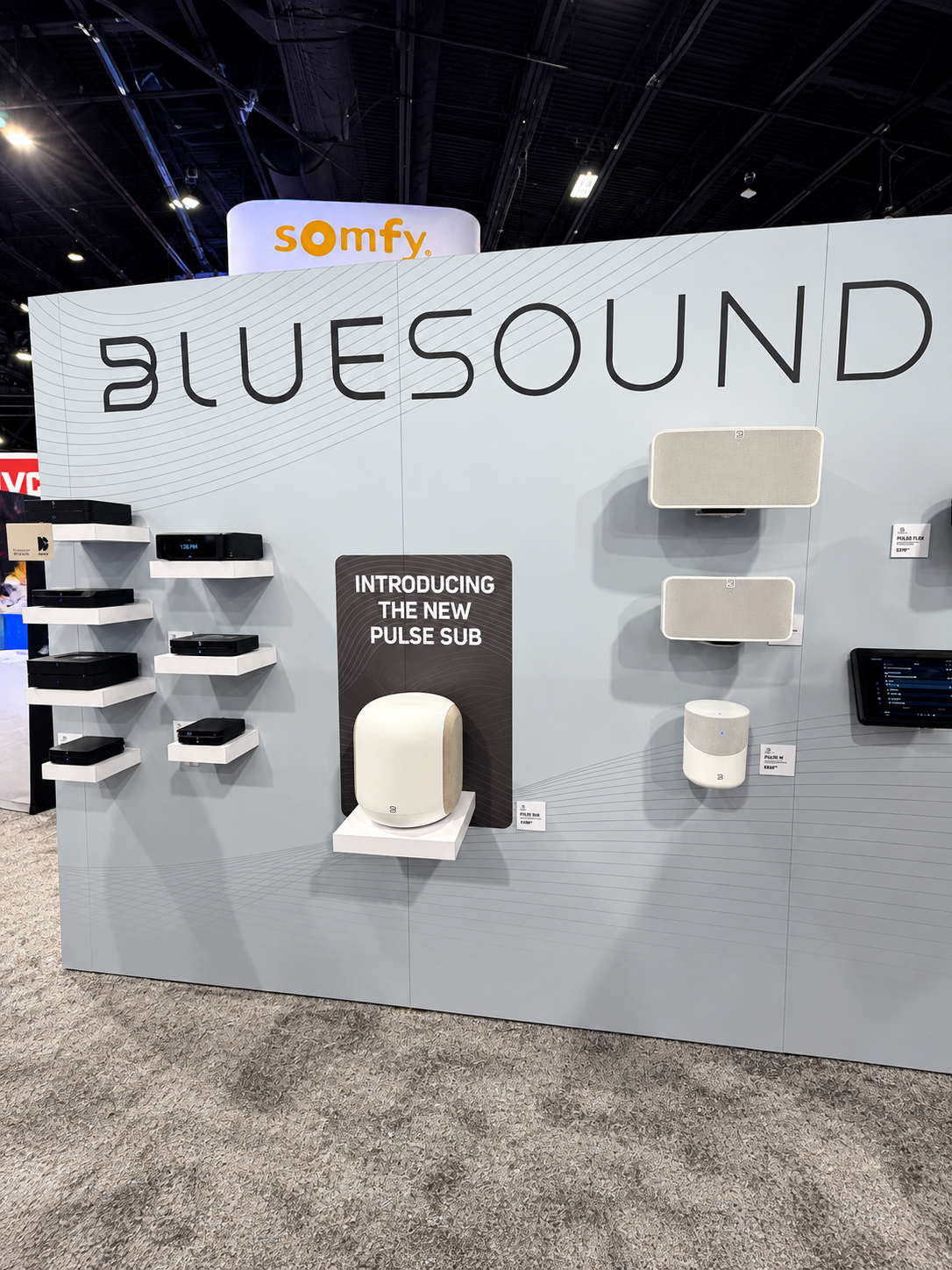
1. Will it actually sound good in my room?
This is the question most people skip.
High-resolution audio gets a lot of attention, and compatible Bluesound products support files up to 24-bit/192 kHz. Supported high-resolution formats are one consideration; the recording, speakers, room, and setup also shape what you hear.
But the room has the final say.
Large windows, stone, tile and open floor plans all reflect sound. In those spaces, speaker choice and placement do more for your listening experience than any file format.
We start with a virtual consultation about your home and listening goals, then determine whether a site visit is needed.
2. Do I have to see the equipment?
Usually, no.
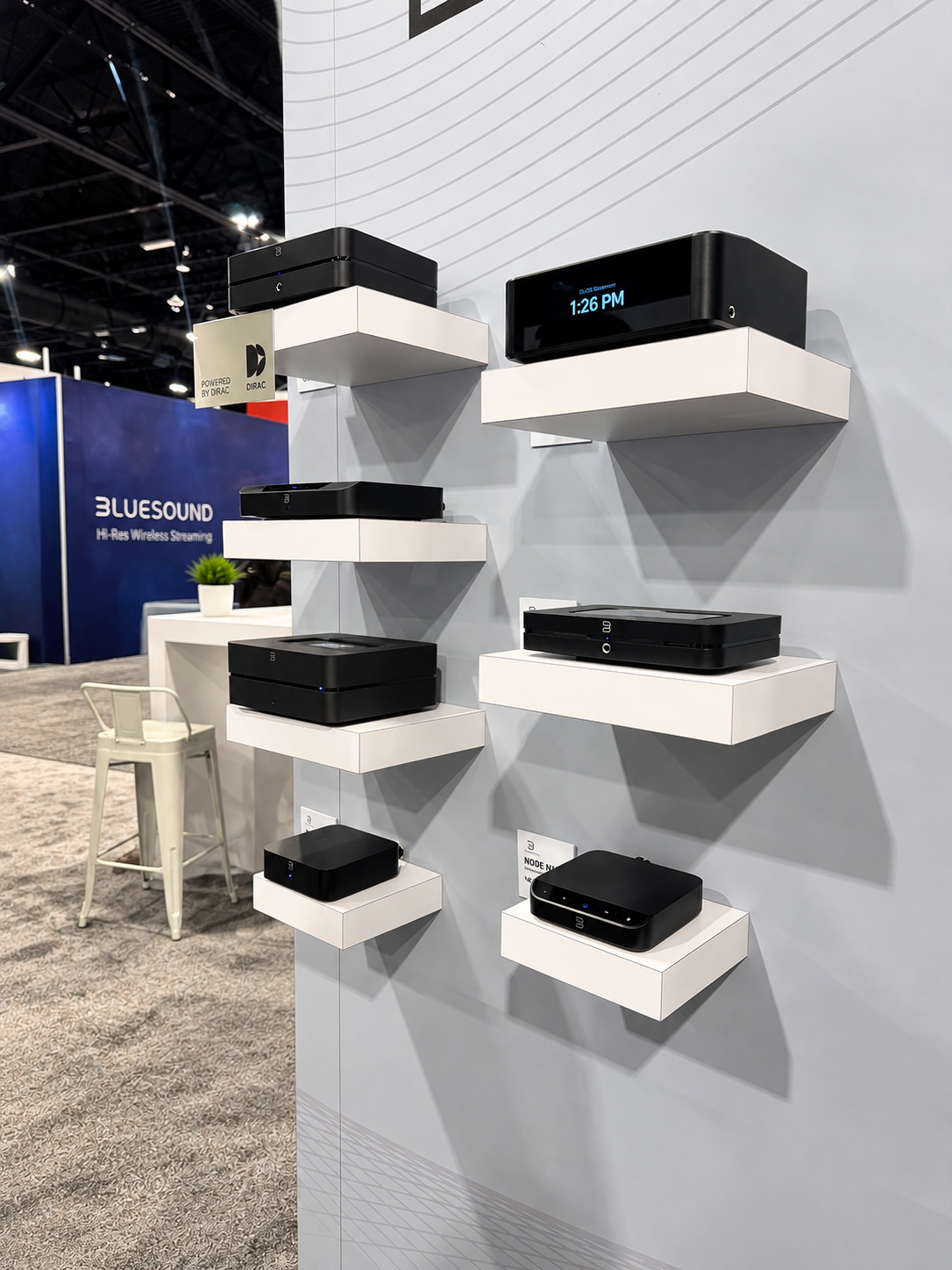
The Bluesound POWERNODE N331 is a compact streaming amplifier. It powers compatible passive speakers built into your walls or ceiling, and it connects to a compatible TV through HDMI eARC.
Its efficient GaN amplifier design keeps the unit compact. We can plan a location in a closet, a credenza or a central equipment rack, with ventilation and clearances that meet the manufacturer's requirements.
What stays visible is up to you.
3. What if I can't add speakers to the walls?
Condos, rentals and older homes often have limits on what can be opened up.
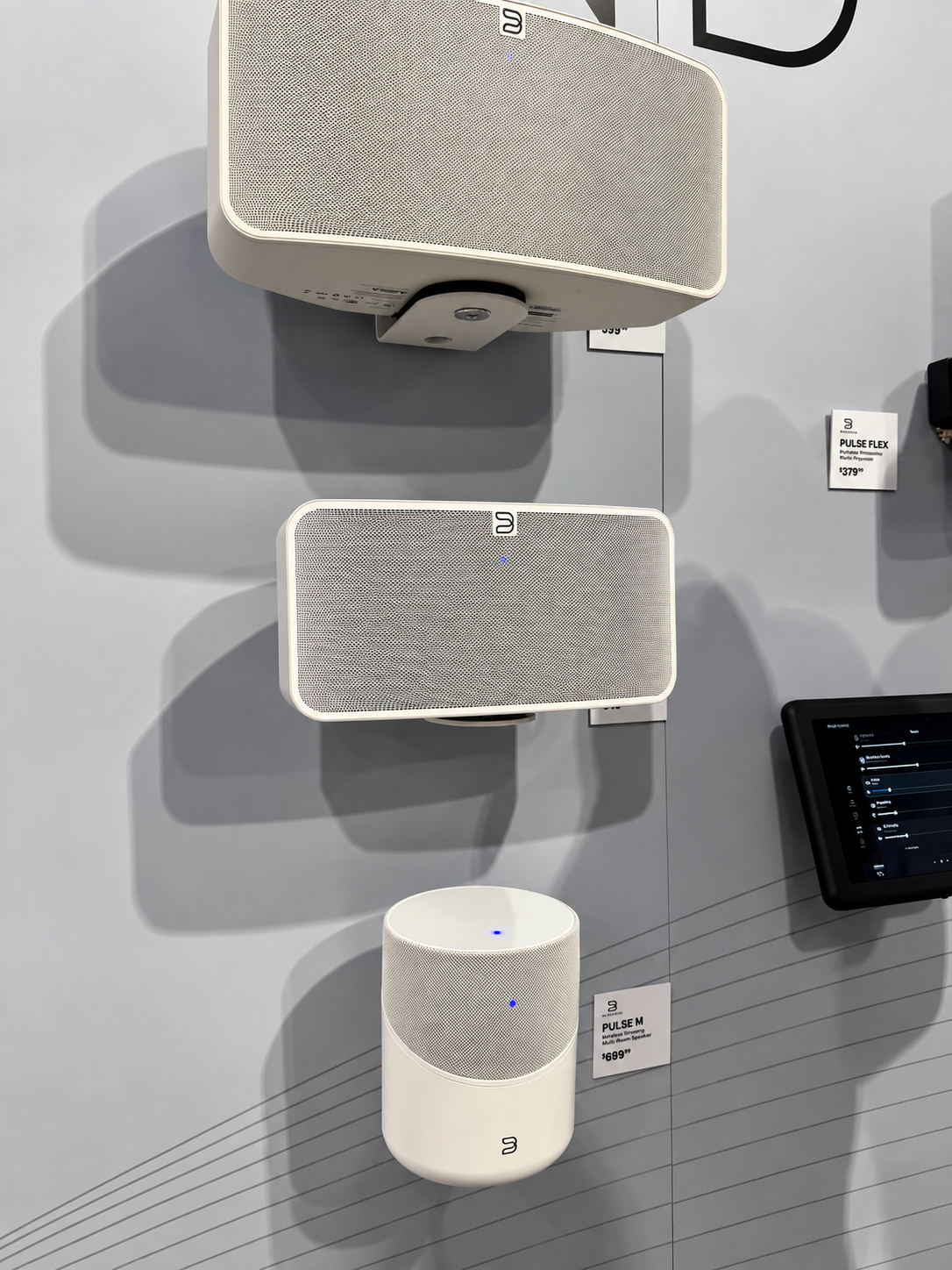
Compatible Bluesound PULSE wireless speakers need power and a suitable network connection. Surround roles depend on the selected models and system configuration.
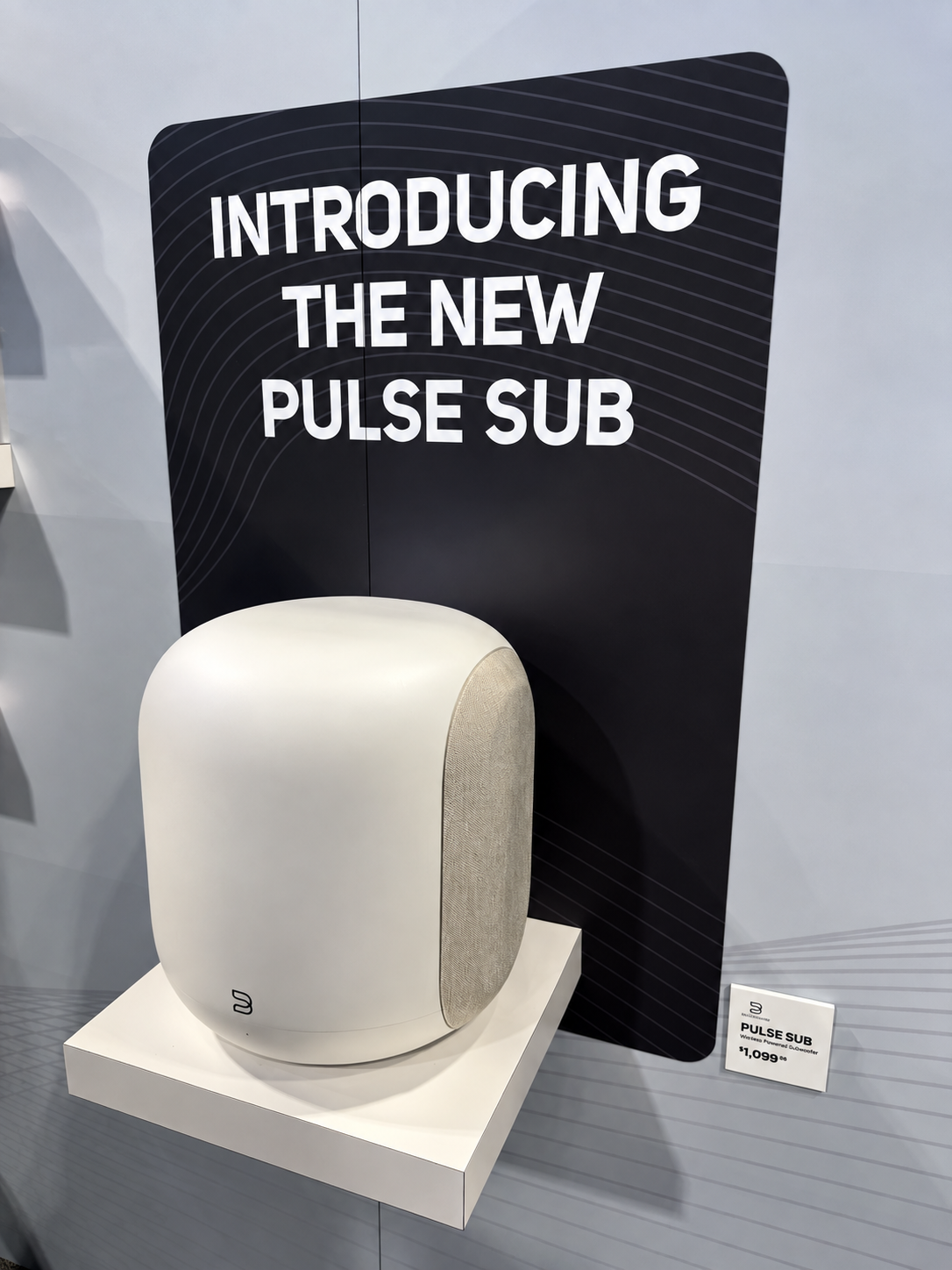
With compatible models, we can pair wired front speakers with wireless surrounds and a wireless subwoofer, reducing speaker-cable runs across the room. The surround speakers and subwoofer still need power.
It can also grow with you. A system can start with music and add compatible surround components later, if the selected equipment supports that configuration.
4. Will it keep working?
Network design is an important part of whole-home audio reliability.
Bluesound's BluOS app supports multiroom playback from services like Tidal, Qobuz and Spotify. Reliable playback needs suitable Wi-Fi coverage, wired connections where practical, and compatible system settings.
Dropouts can come from the network, settings, equipment, or a streaming service. We check the full signal path rather than assuming one cause.
That's why we plan the network along with the audio system, with wired connections and Wi-Fi coverage suited to the rooms you want to use.
5. Will it get better, or get outdated?
Software support is another important consideration.
The POWERNODE N331 now supports Dirac Live room correction with the appropriate software update, a separately purchased Dirac Live license, and a compatible measurement microphone. Calibration can help address the room's effect on playback; it complements speaker placement and acoustic treatment.
When you choose a system, ask how it's updated and whether new features arrive over time. It's one of the best signs your investment will hold up.
Quick answers
Is Bluesound better than Sonos? Both are excellent, and we install both. Bluesound tends to suit listeners who care about high-resolution files or use Roon to manage a large music library. We'll help you decide based on how you listen.
Can I start small? Yes. A single room or a TV upgrade is a common first step, and the system can expand later.
Do I need a professional? For wireless speakers, not always. For hidden speakers, room correction and a network that can handle whole-home streaming, a professional design makes a big difference.
Talk to Smarter Homes
We design and install audio, video, networking and smart home systems for homes across the Austin area.
If you'd like to hear what's possible in your space, we'd be glad to show you.
